





Blog / Burns Chevrolet of Gaffney Blog Posts

The 2026 Silverado EV vs. the Competition: How Chevy’s New Electric Truck Measures Up

25CHSLEV35011_v5

At Burns Chevrolet of Gaffney, we know how important it is to make informed choices when it comes to buying a new truck—especially with more electric options entering the market. One of the latest and most talked-about models is the 2026 Chevrolet Silverado EV, starting at $52,800. With that in mind, we've put together a comprehensive look at how it compares to some of today’s most notable electric trucks: the Tesla Cybertruck, Rivian R1T, and Ford F-150 Lightning.

We’ll also take a closer look at how the Silverado EV stacks up against its gas-powered sibling to help you understand the trade-offs involved in going electric. Whether you're driving around Spartanburg, Greenville, Charlotte, Rock Hill, Greer, or Simpsonville, this guide can help you decide if an electric truck fits your needs.
Introduction to the 2026 Silverado EV

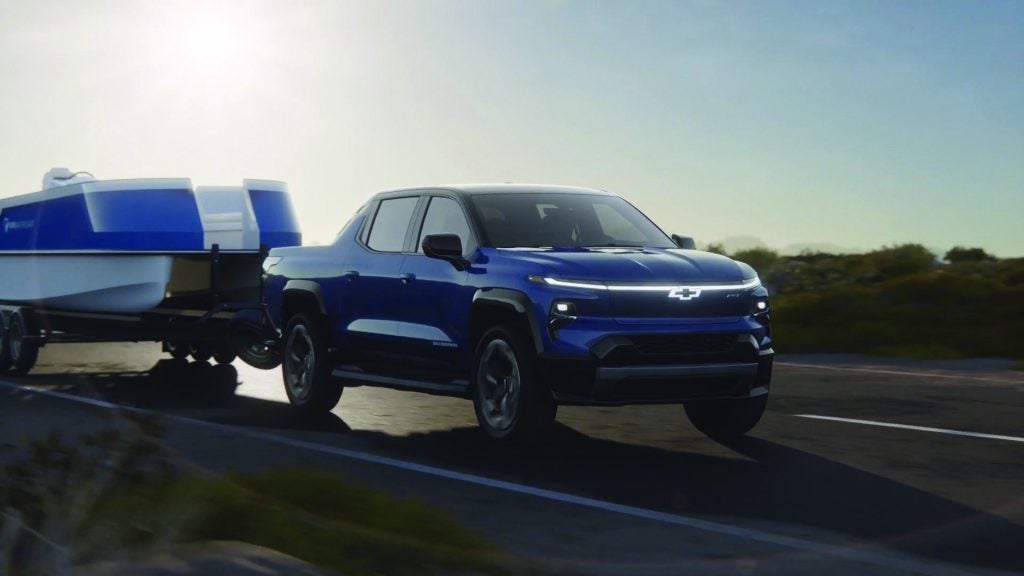
The Chevrolet Silverado EV marks Chevy’s entry into the fully electric truck segment. It’s built on GM’s Ultium platform, engineered specifically for electric vehicles. While it shares the Silverado name, it offers a unique experience distinct from its gas-powered counterparts.

Highlights:

  • Starting MSRP: $52,800
  • Estimated Range: Up to 450 miles, depending on trim and conditions
  • Towing Capacity: Up to 10,000 lbs
  • Payload: Up to 1,300 lbs
  • 0-60 mph: Approximately 4.5 seconds in higher trims
  • Built-in charging flexibility with 350 kW DC fast charging

Silverado EV vs. Tesla Cybertruck

Tesla’s Cybertruck has garnered plenty of attention for its unique design and powerful specs. However, when comparing everyday usability and traditional truck features, the Silverado EV brings more conventional appeal.

FeatureSilverado EVTesla Cybertruck
Starting Price$52,800~$60,990 (est.)
Max Towing10,000 lbs11,000 lbs
RangeUp to 450 miles~320 miles
Payload1,300 lbsUp to 2,500 lbs
Charging Capacity350 kW DC Fast~250 kW DC Fast
AvailabilityBroad GM networkLimited initial rollout

Verdict: While the Cybertruck boasts futuristic design and performance on paper, the Silverado EV offers a more familiar layout and access to Chevy’s nationwide service and dealership network.

Silverado EV vs. Rivian R1T

The Rivian R1T appeals to adventure seekers with its off-road features and distinctive design. The Silverado EV, on the other hand, is built with practicality and range in mind.

FeatureSilverado EVRivian R1T
Starting Price$52,800$73,000+
RangeUp to 450 miles~400 miles
Towing10,000 lbs11,000 lbs
Warranty SupportNationwide ChevyDirect-to-consumer
Charging NetworkPublic CCS/EVgoRivian Adventure Net

Verdict: If rugged outdoor performance is a top priority, the R1T is worth considering. For those prioritizing range, established service options, and a lower starting price, the Silverado EV holds appeal.

Silverado EV vs. Ford F-150 Lightning

The Ford F-150 Lightning has been well-received and offers strong brand recognition. When compared with the Silverado EV, the differences often come down to configuration, range, and charging speed.

FeatureSilverado EVFord F-150 Lightning
Starting Price$52,800~$54,000
RangeUp to 450 milesUp to 320 miles
Towing Capacity10,000 lbs10,000 lbs
Charging350 kW DC Fast150 kW DC Fast
Bed ConfigurationMidgate flexibilityTraditional bed

Verdict: Both trucks are highly capable. The Silverado EV stands out with its longer range and quicker charging, while the F-150 Lightning benefits from a traditional design and loyal following.

Silverado EV vs. Gas-Powered Silverado

For many, the biggest question is whether to go electric or stick with the familiar gas-powered Chevy Silverado. Here’s how the two stack up:

FeatureSilverado EVGas Silverado (2024)
Fuel TypeElectricGasoline/Diesel
Estimated Efficiency~90 MPGe17–22 MPG
Range450 miles (EV)Up to 600 miles
Towing10,000 lbsUp to 13,300 lbs
MaintenanceLowerHigher

Maintenance Differences: Electric vehicles like the Silverado EV generally require fewer maintenance appointments. There’s no engine oil to change, no exhaust system to maintain, and fewer moving parts overall. Brake wear is also reduced thanks to regenerative braking. Gas-powered Silverados, while durable and dependable, require regular oil changes, transmission servicing, and other engine-related upkeep. These recurring services can add to the overall cost of ownership over time.

For those exploring long-term affordability and fewer trips to the shop, the Silverado EV may be a smart choice.

Verdict: The gas Silverado continues to lead in maximum towing and is ideal for long-haul or heavy-duty use. The Silverado EV offers quieter driving, fewer routine maintenance needs, and lower fuel costs—perfect for commuting or mixed-use drivers.
Key Silverado EV Features

  • Multi-Flex Midgate: Allows extended bed space into the cab
  • Hands-Free Super Cruise: Available on select trims
  • Google Built-In: Maps, Assistant, and apps on-screen
  • Regenerative Braking: Helps recharge while driving
  • Over-the-Air Updates: Future-proof tech additions

EV Incentives You Can Use

Depending on your eligibility, you may qualify for these incentives:

  • Federal EV Tax Credit: Up to $7,500
  • Costco Auto Program: Special savings for members on electric vehicles and chargers
  • College Student Discount
  • Military Discount
  • 6.6% APR for 72 Months: With approved credit through GM Financial

Check current incentives on Silverado EVs from Chevrolet and ask our team how to apply these savings to your next vehicle.

Why Burns Chevrolet is Your EV Truck Destination

We’re proud to serve Gaffney and nearby communities like Spartanburg, Greenville, Charlotte, Rock Hill, Greer, and Simpsonville. Whether you’re looking for trucks for sale, a Chevy electric vehicle, or simply comparing options, our team is here to help.

We offer:

We can also help with trading in your current vehicle, financing an electric truck, and determining the right trim for your needs. Reach out today at 864-489-6000 to discuss financing or getting an appraisal on your trade.
The Right Truck for You

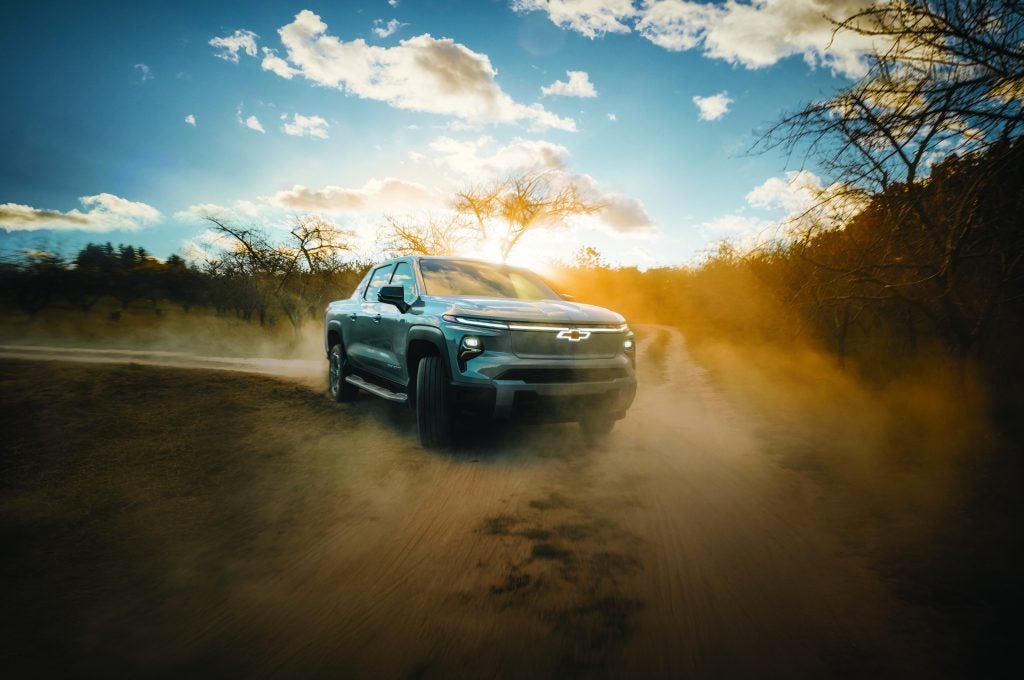
The Silverado EV is a well-rounded electric truck with impressive range, solid towing capability, and flexible cargo options. It offers strong value and practical utility—especially for those new to electric vehicles.

Whether you're in Charlotte for work or heading outdoors from Travelers Rest, the Silverado EV could be a great fit. Still unsure? Stop by Burns Chevrolet of Gaffney to take one for a test drive and see how it compares for yourself. We’re located at 101 Peachoid Road in Gaffney, SC off I-85 near the famous Peachoid water tower.

Posted in:

Related Posts

21PPCB00070_V3

Why Replacing Your Vehicle’s Air Filters Matters This Spring (and Year-Round)

When spring hits Upstate South Carolina, most of us think about cleaning out closets or washing pollen off the porch, but your vehicle needs attention too. One small maintenance item that makes a big difference, especially in the Spring, is your air filters. Whether you drive a Chevrolet Silverado, Equinox, Trax, Tahoe, or another vehicle like a Ford, Toyota, Honda, Nissan, or Jeep, clean air filters help your engine run properly and keep the air inside your vehicle fresh. At Burns Chevrolet of Gaffney, we regularly see vehicles that could have avoided performance issues simply by replacing a dirty or clogged filter. Below, we’ll break down what air filters do, how often to replace them, what happens if you don’t, and whether it makes sense to handle it yourself or have the replacement done professionally. The Two Air Filters Every Vehicle Has (and Why Both Matter) Most vehicles have two different air filters, and they serve different purposes: 1. Engine Air Filter The engine air filter keeps dirt, pollen, sand, and debris from entering your engine. Clean air is critical for proper combustion, fuel efficiency, and engine longevity. A dirty engine air filter can lead to: Reduced fuel economy Sluggish acceleration Rough idling Increased engine wear over time 2. Cabin Air Filter The cabin air filter cleans the air that comes into your vehicle’s interior through the heating and air conditioning system. A clogged cabin air filter can cause: Reduced airflow from vents Musty or unpleasant odors Increased allergens inside the vehicle Extra strain on your HVAC system Why Spring Is the Perfect Time to Replace Air Filters Spring in the Carolinas brings: Pollen (lots of it) Dust from construction and farm roads Increased road debris after winter weather Drivers in Cherokee County and surrounding areas often don’t realize how quickly filters clog during this time of year. Even if your filters were fine during winter, spring conditions can overwhelm them fast—especially if you: Park outdoors Drive back roads Commute daily to Spartanburg or Greenville How Often Should You Replace Your Air Filters? There’s no single answer that fits every vehicle. The best source is your owner’s manual, which provides exact mileage and time intervals. That said, general guidelines include: Engine Air Filter Typically every 12,000–30,000 miles May need replacement sooner in dusty or pollen-heavy areas Cabin Air Filter Usually every 15,000–25,000 miles More often if you notice odors or reduced airflow Pro Tip from Burns Chevrolet of Gaffney You shouldn’t need to replace air filters at every oil change, but you should inspect them every oil change. Pulling the filter out allows you to: Check for heavy dirt buildup Look for tears or damage Make sure it isn’t completely clogged What Happens If You Don’t Replace Your Air Filters? Putting off air filter replacement may seem harmless, but it can lead to real issues over time. Ignoring the Engine Air Filter Can Lead To: Decreased gas mileage Poor throttle response Check engine light in some cases Long-term engine damage Ignoring the Cabin Air Filter Can Cause: Reduced A/C and heat performance Foggy windows Worsening allergy symptoms Strain on the blower motor Replacing air filters is one of the most cost-effective ways to protect your vehicle. Common Myths About Air Filter Replacement Let’s clear up a few misconceptions: Myth: “Air filters need to be replaced at every oil change.” Not true. They should be checked every oil change, but replacement depends on condition. Myth: “A dirty filter won’t really hurt anything.” Over time, restricted airflow can affect fuel economy, performance, and comfort. Myth: “Only older cars need air filter replacements.” New vehicles need clean filters just as much—sometimes more, due to tighter tolerances. Signs It’s Time to Replace Your Air Filters You may need new air filters if you notice: Reduced fuel economy Weak airflow from vents A dirty or musty smell inside the car Excessive dust inside the cabin Sluggish engine performance If you’re unsure, our Burns Chevrolet of Gaffney service team is happy to check for you. Which Vehicles Are Easier (or Harder) to Replace Air Filters Yourself? Is replacing the air filter on your vehicle something you can do yourself? It depends on your vehicle — and whether you’re replacing the engine air filter or the cabin air filter. Engine Air Filters: Usually Easy for Most Vehicles Across most major brands — including Chevrolet, Ford, Toyota, Honda, and Nissan — engine air filters are typically very DIY-friendly because they are: Located under the hood Housed in a plastic box with clips or screws No need to remove trim panels Usually takes 5–10 minutes Common Easy DIY Examples: Chevrolet Silverado Chevrolet Equinox Chevrolet Trax Ford F-150 Toyota Camry Honda Accord Nissan Altima To replace the engine air filter in most of these vehicles, you simply: Open the hood Unclip or unscrew the air box Remove the old filter Insert the new one Engine air filters are among the most straightforward maintenance items for DIYers. Cabin Air Filters: Where Difficulty Can Vary Cabin air filters are less predictable. Their placement depends heavily on manufacturer design choices. Easier Cabin Air Filter Replacements Many modern vehicles are designed for relatively simple access — often behind or just below the glove box. These typically include: Chevrolet Equinox Chevrolet Traverse (newer models) Toyota Camry Toyota RAV4 Honda Civic Honda Accord Ford Escape In these models, replacing the cabin air filter usually involves: Lowering or removing the glove box Opening a small access panel Sliding the filter out Many can be completed in under 15 minutes with minimal tools. More Difficult Cabin Air Filter Replacements Some vehicles require additional trim removal, working in tight spaces, or accessing the filter from unusual locations. Automotive trade publications like Underhood Service have documented certain vehicles that technicians consider more time-consuming. Examples can include: Older Nissan Altima models Early 2000s Honda Accord models Some Acura models Certain BMW and European vehicles (filters may be under the cowl near the windshield) Some full-size SUVs like older Chevrolet Tahoe or Suburban models, where tight interior space can make access awkward These vehicles may require: Removing multiple screws Disconnecting trim panels Working around wiring or tight dash components While still possible to DIY, they can become frustrating if you’re short on time. Should You DIY or Schedule Service? You may choose to replace the filter yourself if: You enjoy working on your vehicle You have 10–20 minutes to spare Your vehicle has easy access However, many drivers in Gaffney, Spartanburg, Boiling Springs, Blacksburg, Cowpens, and Shelby prefer to have their air filters replaced during an oil change or tire rotation at a vehicle service shop. At Burns Chevrolet of Gaffney, we: Inspect your air filters during routine maintenance Make recommendations based on certified manufacturer guidelines Install the correct OEM-quality filter Check for damage, tears, or excessive buildup Benefits of Having Air Filters Replaced During Service: Saves time Ensures the correct filter is installed Allows trained technicians to inspect related components Can be done during oil changes or tire rotations If you value your time or simply want peace of mind, having our certified technicians handle it while you’re already in for service can be the most convenient option. Doing It Yourself? Order OEM Parts from Burns Chevrolet of Gaffney If you decide to replace your air filter yourself, using the right part matters. Not all filters are made the same, and installing the wrong size or lower-quality filter can reduce performance or allow debris to slip through. At Burns Chevrolet of Gaffney, you can order genuine OEM air filters designed specifically for your vehicle make and model. OEM (Original Equipment Manufacturer) parts are built to meet factory specifications, ensuring proper fit, airflow, and filtration. Our parts team can help you: Confirm the correct engine or cabin air filter for your vehicle Check availability Order parts quickly if they’re not in stock Serving Gaffney and Surrounding Communities with Trusted Service Drivers from Gaffney, Spartanburg, Boiling Springs, Blacksburg, Cowpens, and Shelby trust Burns Chevrolet of Gaffney for honest advice and dependable maintenance. Our goal isn’t just to fix problems—it’s to help you prevent them. Air filter replacement is a small service that can make a big difference in how your vehicle runs and feels. Schedule Air Filter Service at Burns Chevrolet of Gaffney Whether you want: A quick inspection Replacement during an oil change Help figuring out the right maintenance schedule Our experienced vehicle service team is here to help. Spring is the perfect time to refresh your vehicle, and clean air filters are one of the easiest ways to start. Schedule your vehicle service appointment with Burns Chevrolet of Gaffney today and drive confidently through every season.

Dipstick

Does My Car Actually Need Fluid Services?

If you’ve ever wondered whether a vehicle fluid service is truly necessary, you’re not alone. Drivers across the Upstate of South Carolina often ask us whether fluid services are necessary or just upsells. The truth is, fluid maintenance is one of the most important ways to protect your vehicle, but only when it’s done at the right time and for the right reasons. Not every vehicle needs every fluid service at the same time, and that’s where a lot of misinformation starts. You might have heard: “Don’t touch transmission fluid.” “Flushes can ruin your engine.” “Modern cars don’t need that anymore.” When you’re hearing conflicting advice, it’s hard to know what’s true. At Burns Chevrolet of Gaffney, we believe you should never feel pressured or confused about maintenance decisions. You deserve clear, straightforward information, not scare tactics or blanket recommendations. In this post, we’ll walk you through: What each major vehicle fluid actually does What happens if it’s ignored Why some people believe fluid services are harmful How to confidently know what your vehicle needs The Most Important Vehicle Fluid Services Engine Oil Change Service Engine oil lubricates internal components and prevents heat damage. What happens if you skip engine oil changes? Sludge buildup Increased wear Lower fuel efficiency Possible engine failure Most vehicles need an oil change every 5,000–7,500 miles, sometimes sooner with heavy driving or towing. Cooling System (Coolant) Service Coolant regulates engine temperature and prevents corrosion. What happens if you skip coolant service? Engine overheating Internal corrosion Water pump or radiator damage When should I get coolant service? 30,000–100,000 miles. (The wide range exists because coolant type, vehicle design, and driving conditions all affect how long it lasts. Some vehicles use extended-life coolant designed for up to 100,000 miles, while others require service much sooner. That’s why checking your owner’s manual and the actual condition of the coolant matters more than relying on a generic number.) Transmission Fluid Service Transmission fluid: Lubricates gears Controls heat Enables smooth shifting What happens if you neglect transmission fluid? Slipping Hard shifts Transmission failure When should transmission fluid be serviced? 45,000–100,000 miles. (Transmission intervals vary widely because modern transmissions use different fluid formulations and operate under different loads. Severe driving conditions like towing or frequent stop-and-go traffic can shorten the lifespan of the fluid significantly. That’s why a one-size-fits-all mileage recommendation doesn’t apply to every vehicle.) Brake Fluid Service Brake fluid absorbs moisture over time. Why that matters: Reduced stopping power Internal corrosion Soft or spongy pedal Brake fluid service is recommended every 2–3 years, regardless of mileage. Power Steering Fluid Service Important for smooth steering performance. Old fluid can cause: Noise Stiff steering Pump damage Unlike engine oil or coolant, power steering fluid doesn’t always have a strict replacement interval listed in the owner’s manual. Some modern vehicles use electric power steering and don’t require fluid at all, while hydraulic systems benefit from periodic inspection and maintenance. Many manufacturers recommend inspection rather than automatic replacement. In general, servicing it around 50,000–75,000 miles can help prevent premature wear in hydraulic steering systems. However, checking fluid condition is the best way to determine proper timing. Differential and Transfer Case Services Differential and transfer case fluids lubricate the gears that transfer power to your wheels if you drive a vehicle with four wheel drive (4WD) or all wheel drive (AWD). These fluids keep your 4WD/AWD system operating smoothly, reduce heat and friction, and protect critical drivetrain components from wear. What happens if you ignore differential and transfer case services? Over time, fluid breaks down and becomes contaminated with metal particles. Neglecting service can lead to whining or grinding noises, 4WD engagement issues, overheating, and potentially expensive drivetrain repairs. Recommended Service Interval: Most manufacturers recommend servicing differential and transfer case fluids every 30,000–60,000 miles, or sooner if you frequently tow, haul heavy loads, or drive in extreme conditions. What People Mean by “Flush” (and What Your Vehicle Actually Needs) You may hear services called: Engine flush Transmission flush Coolant flush Brake flush In reality, most modern vehicles follow manufacturer-recommended fluid replacement or fluid exchange procedures, not aggressive “flushes.” At our Gaffney Service Center, we perform services based on what your specific vehicle calls for, whether that’s a simple drain and refill, a full fluid exchange, or a system cleaning when necessary. For these services, the goal is simple: remove worn-out fluid and replace it with clean, protective fluid so your vehicle runs as smoothly as possible. Why Do Some People Say NOT to Do Fluid Services? This is one of the biggest misconceptions we see, and it usually comes from real experiences, but misunderstood situations. Let’s break it down. 1. “My transmission failed right after a flush” This does happen, but here’s the truth: in many cases, the transmission was already failing, and the old, dirty fluid was the only thing helping it limp along. Fresh transmission fluid: Removes debris Restores proper viscosity That can expose existing damage, not cause it. Think of it like this: changing the fluid didn’t break the transmission, it revealed a problem that was unfortunately already there. 2. “High-mileage vehicles shouldn’t have fluid changed” Partially true, but only in specific cases. If a vehicle has: Very high mileage No history of maintenance Severely degraded fluid Then a more cautious approach may be recommended (like gradual service instead of a full exchange). There is no one-size-fits-all answer. 3. “Flushes are just upsells” This is where terminology matters. Some shops use “flush” as a blanket term, and that’s where distrust comes from. As laid out earlier in this post, there are many types of vehicle fluid services that serve different purposes. Any service being recommended to you should be explained so you feel confident making a decision. You can always ask to take a look at your vehicle with the service technician so they can show you what they are looking at. 4. “Modern vehicles have lifetime fluids” You’ll hear this a lot, especially with transmissions. But “lifetime” usually means lifetime of the warranty, not lifetime of the vehicle. Fluid maintenance is still necessary and important as part of your regular vehicle maintenance. How to Know What Your Vehicle Actually Needs Here’s the honest answer: Not every vehicle needs every fluid service at the same time. The right service depends on four things: Your owner’s manual Your current mileage How you drive The actual condition of the fluid 1. Start With the Manufacturer Recommendation Your owner’s manual is the baseline. It tells you: When service is required When service is recommended under “severe” driving conditions What type of fluid your vehicle uses If a service isn’t supported by manufacturer guidelines, it deserves a conversation. 2. Be Honest About Your Driving Conditions Many drivers fall into “severe” driving without realizing it. “Severe” doesn’t mean extreme, it often just means daily life. You may need shorter intervals if you: Tow or haul regularly Sit in stop-and-go traffic Drive in high heat (hello, South Carolina summers) Use your truck for work 3. Look at the Condition of the Fluid Mileage alone doesn’t tell the whole story. Fluid condition matters. During an inspection, technicians may check for: Brake fluid: Moisture content (too much moisture lowers boiling point) Coolant: Freeze/boil protection level and acidity Transmission fluid: Color, smell, and sometimes viscosity or contamination Differential fluid: Presence of metal particles or excessive breakdown Power steering fluid: Contamination and discoloration At Burns Chevrolet of Gaffney, if the fluid still looks clean and still meets the performance standards set by the vehicle manufacturer, we’ll tell you. If it’s breaking down, we’ll show you why service is recommended. You can always ask to see it. 4. Ask One Simple Question If you’re ever unsure about getting a vehicle service done, ask: “Is this required by the manufacturer, or is this preventive maintenance based on condition?” A trustworthy service department should be able to clearly explain: Why it’s recommended What happens if you wait Whether it’s urgent or can be planned for later You should never feel pressured into making a decision on the spot. When Should You Schedule Fluid Service? You should book an appointment if: You’re near a recommended mileage interval based on your owner’s manual You recently bought a used vehicle You don’t know when fluids were last serviced You tow, haul, or drive frequently It’s been over a year since your last maintenance appointment The Cost of Waiting vs. Staying Ahead Fluid service maintenance is about preventing damage, not reacting to it. By the time you feel slipping, overheating, or noise, internal wear has often already started. That’s why regular inspections matter, even if everything “feels fine.” Let’s be real about the potential cost of ignoring fluid services: Transmission replacement: $4,000–$8,000+ Engine replacement: $5,000–$10,000+ Brake system repairs: $1,000+ Fluid services are a fraction of that and can save you money by avoiding major repairs. Why This Matters for Drivers in Gaffney and Nearby Areas Driving conditions around Gaffney, Spartanburg, Shelby, Kings Mountain, and Blacksburg can include: Stop-and-go traffic Highway commuting on I-85 Towing and hauling Hot summer temperatures All of these can accelerate fluid breakdown. If you’re commuting daily to Greenville or Charlotte or using your truck for work, your vehicle may need service sooner than the “average” schedule. Why Schedule at Burns Chevrolet of Gaffney? We don’t recommend services based on guesswork or scare tactics. And if something can wait? We’ll tell you that too. We base recommendations on: Manufacturer guidelines Vehicle history Fluid condition Your driving habits Drivers from across Cherokee County trust Burns Chevrolet of Gaffney because we keep things simple: Factory-trained technicians OEM-recommended fluids Service for all makes and models Honest recommendations Whether you drive a Chevy Silverado, Toyota Camry, Jeep Grand Cherokee, or any other vehicle, we’ll tell you exactly what your vehicle needs and what it doesn’t. Protect Your Vehicle with Fluid Services Fluid services might not be top of mind, but they are one of the most important ways to protect your vehicle. The idea that fluid services are “bad” usually comes from: Getting service done once things have already gone wrong Untrained technicians doing procedures incorrectly Misunderstandings between technicians and customers When done correctly, at the right time, fluid services help your vehicle last longer, run better, and avoid expensive repairs.If you’re in Gaffney, Spartanburg, Shelby, Kings Mountain, or nearby, schedule your next service visit at Burns Chevrolet of Gaffney. We’re here to give you straightforward advice, reliable service, and the confidence that your vehicle is taken care of the right way.

26CHTB35006_V4

Why Tire Rotation Is Important (And How Often You Should Do It)

Tire rotation is one of the simplest vehicle services that delivers some of the biggest benefits. Protecting your tires protects your entire vehicle. Yet many drivers in Gaffney, Spartanburg, Boiling Springs, Blacksburg, Cowpens, and Shelby often overlook it until performance issues appear. If you’ve ever wondered “Are tire rotations worth it?” or “Is tire rotation really necessary?”, you’re not alone. Let’s break down exactly why tire rotations matter, how often you should schedule them, and what signs tell you it’s time. What Is a Tire Rotation? So, what is a tire rotation exactly? A tire rotation involves moving your tires from one position on your vehicle to another (typically front to back or side to side) following a specific pattern recommended by your manufacturer. Why does this matter? Because each tire wears differently depending on: Whether your vehicle is front-wheel, rear-wheel, or all-wheel drive Steering forces on the front tires Weight distribution Driving habits and road conditions By rotating your tires regularly, you help ensure they wear evenly, which leads to longer tire life, smoother handling, and safer driving. Is Tire Rotation Really Necessary? This is one of the most common questions our service team hears. The short answer: yes. Tire rotation is necessary. Front tires usually wear faster than rear tires, especially on front-wheel-drive vehicles like the Chevy Equinox or Nissan Altima. On trucks and SUVs such as the Chevy Silverado or Jeep Grand Cherokee, weight distribution and towing can also cause uneven wear. Without rotations, you’ll likely replace tires sooner than expected, sometimes thousands of miles earlier. How Important Are Regular Tire Rotations? Think of tire rotations as preventative care for your vehicle. 1. Extends Tire Life If you’ve ever had to replace your tires, you know that they are a major investment. Regular rotations help all four tires wear evenly, maximizing their lifespan and saving you money by avoiding premature replacements. 2. Improves Safety and Traction Evenly worn tires provide: Better grip in wet conditions Shorter stopping distances Improved cornering More predictable handling 3. Creates a Smoother Ride Uneven tire wear often causes vibration or pulling. Regular rotations help maintain ride comfort and stability. 4. Protects Suspension and Steering Components Uneven tires place extra stress on suspension and steering systems. Over time, this can lead to expensive repairs that could have been avoided with routine rotations. What’s the Point of Tire Rotations? Tire rotations save you money and improve safety. You should get regular tire rotations to: Prevent uneven tread wear Help tires last longer Improve handling Reduce road noise Protect vehicle components It’s one of the most affordable maintenance services (often $20 or less) with some of the biggest long-term benefits. Are Tire Rotations Worth It? Yes, tire rotations are worth it. Compared to the cost of replacing tires early, tire rotations are a small investment. Many service visits even include rotations as part of oil change packages. Over the life of your vehicle, consistent rotations can save hundreds (sometimes thousands) of dollars while keeping your car safer on the road. How Often Should You Rotate Your Tires? Most manufacturers recommend rotating tires every 5,000 to 7,500 miles, which conveniently aligns with many oil change intervals. However, driving habits, road conditions, and vehicle type can affect this timeline. At Burns Chevrolet of Gaffney, our service advisors can help create a customized maintenance schedule for you based on your specific vehicle. Common Tire Rotation Patterns Different drivetrains require different rotation patterns, and our technicians always follow manufacturer guidelines to ensure proper wear and performance. Front-Wheel Drive (FWD) Front tires typically wear faster due to steering and braking forces, so they are moved to the rear while rear tires cross to the front. Common on vehicles like the: Chevy Malibu Chevy Equinox Toyota Camry Honda Accord Nissan Altima Hyundai Elantra Kia Forte Rear-Wheel Drive (RWD) Rear tires move forward while front tires cross to the back to balance wear caused by acceleration and towing. Common on trucks and SUVs such as the: Chevy Silverado Chevy Tahoe Ford F-150 Ram 1500 Toyota Tacoma Jeep Grand Cherokee All-Wheel Drive (AWD) All four tires must stay closely matched in tread depth, making regular rotations especially important to protect drivetrain components. Found on vehicles like the: Chevy Traverse AWD Chevy Blazer AWD Subaru Outback Toyota RAV4 AWD Honda CR-V AWD Ford Escape AWD Our GM-certified technicians at Burns Chevrolet of Gaffney service all makes and models, and we always follow factory-recommended rotation patterns to help maximize tire life and keep your vehicle performing its best. Signs You May Be Due for a Tire Rotation Uneven tread wear Steering wheel vibration Vehicle pulling to one side Increased road noise Reduced traction Even if you don’t notice these signs, staying on schedule is the best way to avoid problems before they start. Frequently Asked Questions About Tire Rotations Can I rotate my own tires? It’s definitely possible to rotate your own tires. However, professional service ensures proper torque, correct rotation patterns, tire pressure checks, and a visual inspection for damage or suspension issues. Practically, professional vehicle service shops also have the tools needed for the job, such as a torque wrench. Do new tires need rotation? Yes. Rotating new tires early helps establish even wear patterns from the beginning. Do all vehicles need tire rotations? Yes, all vehicles benefit from regular tire rotations. Tire Rotations Work Best with Routine Maintenance Though you can get a tire rotation done without any other vehicle service, it often makes the most sense to rotate your tires along with other basic vehicle maintenance services at your local vehicle service shop, such as our Gaffney Service Center. Tire rotations pair perfectly with: Oil changes Wheel alignments Brake inspections Tire pressure checks What’s a Good Place to Get a Tire Rotation? It’s important to get your tire rotation completed at a trusted local shop that will take the time to ensure your service is completed with attention to detail and efficiency. At Burns Chevrolet of Gaffney, we proudly offer: GM-certified technicians Factory-approved service procedures Genuine parts when needed Complimentary multi-point inspections Vehicle Service for all makes and models Easy online scheduling for your vehicle service We serve drivers throughout Cherokee County, Spartanburg, and the rest of the Upstate and Charlotte region, and have over 1,000 5-star Google reviews from customers who have trusted our Gaffney, SC dealership for their vehicle needs. How Local Driving Conditions Affect Tire Wear Road conditions around Gaffney and Spartanburg include: Hot summer pavement Heavy rain Construction zones (I-85, anyone?) Rural back roads These factors increase the importance of regular rotations to prevent uneven wear. When It’s Time for Tire Replacement Rotations help extend tire life, but eventually tires wear out. Replacement may be needed if: Tread depth drops below 2/32” Tires show cracking or bulging Traction decreases Tires are over six years old Our technicians can measure tread depth and help you choose replacements that match your driving needs and budget. Schedule Your Tire Rotation at Burns Chevrolet of Gaffney Whether you drive a Chevrolet or another make, Burns Chevrolet of Gaffney is here to help keep you safe on the road. We proudly serve drivers from: Gaffney Spartanburg Boiling Springs Blacksburg Cowpens Shelby Kings Mountain Schedule your service appointment online or call Burns Chevrolet of Gaffney at 864-489-6000 today. Join the thousands of others who let us be their trusted partner in vehicle maintenance — because taking care of your tires means taking care of everything else.