





If you’ve ever wondered whether a vehicle fluid service is truly necessary, you’re not alone. Drivers across the Upstate of South Carolina often ask us whether fluid services are necessary or just upsells. The truth is, fluid maintenance is one of the most important ways to protect your vehicle, but only when it’s done at the right time and for the right reasons.
Not every vehicle needs every fluid service at the same time, and that’s where a lot of misinformation starts. You might have heard:
- “Don’t touch transmission fluid.”
- “Flushes can ruin your engine.”
- “Modern cars don’t need that anymore.”
When you’re hearing conflicting advice, it’s hard to know what’s true. At Burns Chevrolet of Gaffney, we believe you should never feel pressured or confused about maintenance decisions. You deserve clear, straightforward information, not scare tactics or blanket recommendations.
In this post, we’ll walk you through:
- What each major vehicle fluid actually does
- What happens if it’s ignored
- Why some people believe fluid services are harmful
- How to confidently know what your vehicle needs
The Most Important Vehicle Fluid Services
Engine Oil Change Service
Engine oil lubricates internal components and prevents heat damage.
What happens if you skip engine oil changes?
- Sludge buildup
- Increased wear
- Lower fuel efficiency
- Possible engine failure
Most vehicles need an oil change every 5,000–7,500 miles, sometimes sooner with heavy driving or towing.
Cooling System (Coolant) Service
Coolant regulates engine temperature and prevents corrosion.
What happens if you skip coolant service?
- Engine overheating
- Internal corrosion
- Water pump or radiator damage
When should I get coolant service? 30,000–100,000 miles. (The wide range exists because coolant type, vehicle design, and driving conditions all affect how long it lasts. Some vehicles use extended-life coolant designed for up to 100,000 miles, while others require service much sooner. That’s why checking your owner’s manual and the actual condition of the coolant matters more than relying on a generic number.)
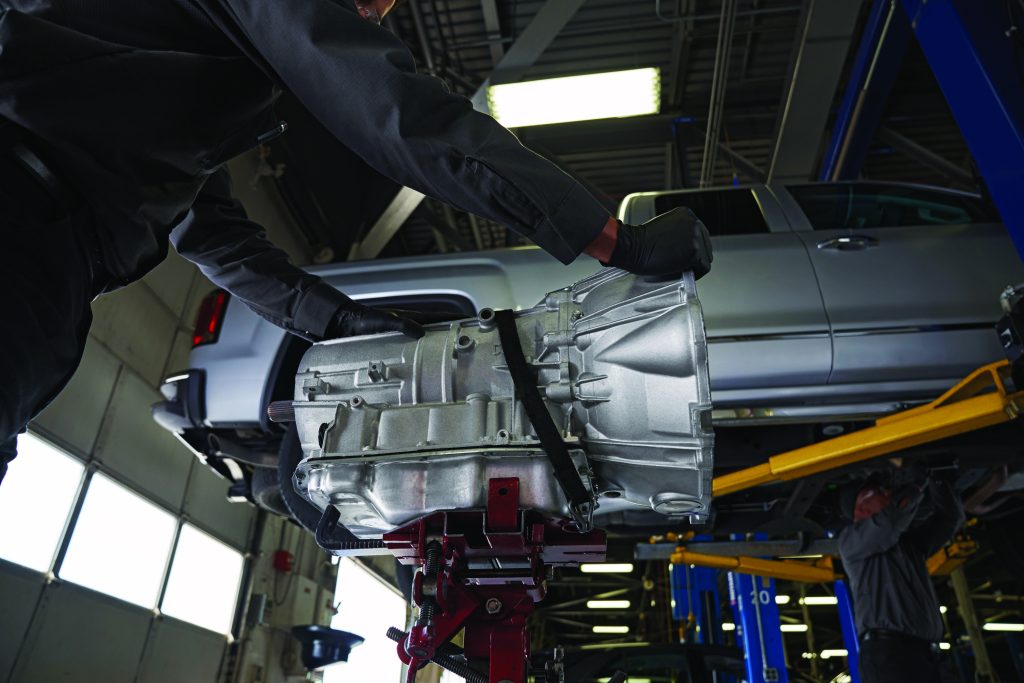
Transmission Fluid Service
Transmission fluid:
- Lubricates gears
- Controls heat
- Enables smooth shifting
What happens if you neglect transmission fluid?
- Slipping
- Hard shifts
- Transmission failure
When should transmission fluid be serviced? 45,000–100,000 miles. (Transmission intervals vary widely because modern transmissions use different fluid formulations and operate under different loads. Severe driving conditions like towing or frequent stop-and-go traffic can shorten the lifespan of the fluid significantly. That’s why a one-size-fits-all mileage recommendation doesn’t apply to every vehicle.)
Brake Fluid Service
Brake fluid absorbs moisture over time.
Why that matters:
- Reduced stopping power
- Internal corrosion
- Soft or spongy pedal
Brake fluid service is recommended every 2–3 years, regardless of mileage.
Power Steering Fluid Service
Important for smooth steering performance.
Old fluid can cause:
- Noise
- Stiff steering
- Pump damage
Unlike engine oil or coolant, power steering fluid doesn’t always have a strict replacement interval listed in the owner’s manual. Some modern vehicles use electric power steering and don’t require fluid at all, while hydraulic systems benefit from periodic inspection and maintenance. Many manufacturers recommend inspection rather than automatic replacement. In general, servicing it around 50,000–75,000 miles can help prevent premature wear in hydraulic steering systems. However, checking fluid condition is the best way to determine proper timing.
Differential and Transfer Case Services
Differential and transfer case fluids lubricate the gears that transfer power to your wheels if you drive a vehicle with four wheel drive (4WD) or all wheel drive (AWD). These fluids keep your 4WD/AWD system operating smoothly, reduce heat and friction, and protect critical drivetrain components from wear.
What happens if you ignore differential and transfer case services?
Over time, fluid breaks down and becomes contaminated with metal particles. Neglecting service can lead to whining or grinding noises, 4WD engagement issues, overheating, and potentially expensive drivetrain repairs.
Recommended Service Interval: Most manufacturers recommend servicing differential and transfer case fluids every 30,000–60,000 miles, or sooner if you frequently tow, haul heavy loads, or drive in extreme conditions.
What People Mean by “Flush” (and What Your Vehicle Actually Needs)
You may hear services called:
- Engine flush
- Transmission flush
- Coolant flush
- Brake flush
In reality, most modern vehicles follow manufacturer-recommended fluid replacement or fluid exchange procedures, not aggressive “flushes.”
At our Gaffney Service Center, we perform services based on what your specific vehicle calls for, whether that’s a simple drain and refill, a full fluid exchange, or a system cleaning when necessary. For these services, the goal is simple: remove worn-out fluid and replace it with clean, protective fluid so your vehicle runs as smoothly as possible.
Why Do Some People Say NOT to Do Fluid Services?
This is one of the biggest misconceptions we see, and it usually comes from real experiences, but misunderstood situations.
Let’s break it down.
1. “My transmission failed right after a flush”
This does happen, but here’s the truth: in many cases, the transmission was already failing, and the old, dirty fluid was the only thing helping it limp along.
Fresh transmission fluid:
- Removes debris
- Restores proper viscosity
That can expose existing damage, not cause it. Think of it like this: changing the fluid didn’t break the transmission, it revealed a problem that was unfortunately already there.
2. “High-mileage vehicles shouldn’t have fluid changed”
Partially true, but only in specific cases. If a vehicle has:
- Very high mileage
- No history of maintenance
- Severely degraded fluid
Then a more cautious approach may be recommended (like gradual service instead of a full exchange). There is no one-size-fits-all answer.
3. “Flushes are just upsells”
This is where terminology matters. Some shops use “flush” as a blanket term, and that’s where distrust comes from. As laid out earlier in this post, there are many types of vehicle fluid services that serve different purposes.
Any service being recommended to you should be explained so you feel confident making a decision. You can always ask to take a look at your vehicle with the service technician so they can show you what they are looking at.
4. “Modern vehicles have lifetime fluids”
You’ll hear this a lot, especially with transmissions. But “lifetime” usually means lifetime of the warranty, not lifetime of the vehicle.
Fluid maintenance is still necessary and important as part of your regular vehicle maintenance.
How to Know What Your Vehicle Actually Needs
Here’s the honest answer: Not every vehicle needs every fluid service at the same time.
The right service depends on four things:
- Your owner’s manual
- Your current mileage
- How you drive
- The actual condition of the fluid
1. Start With the Manufacturer Recommendation
Your owner’s manual is the baseline. It tells you:
- When service is required
- When service is recommended under “severe” driving conditions
- What type of fluid your vehicle uses
If a service isn’t supported by manufacturer guidelines, it deserves a conversation.
2. Be Honest About Your Driving Conditions
Many drivers fall into “severe” driving without realizing it. “Severe” doesn’t mean extreme, it often just means daily life.
You may need shorter intervals if you:
- Tow or haul regularly
- Sit in stop-and-go traffic
- Drive in high heat (hello, South Carolina summers)
- Use your truck for work

3. Look at the Condition of the Fluid
Mileage alone doesn’t tell the whole story. Fluid condition matters. During an inspection, technicians may check for:
- Brake fluid: Moisture content (too much moisture lowers boiling point)
- Coolant: Freeze/boil protection level and acidity
- Transmission fluid: Color, smell, and sometimes viscosity or contamination
- Differential fluid: Presence of metal particles or excessive breakdown
- Power steering fluid: Contamination and discoloration
At Burns Chevrolet of Gaffney, if the fluid still looks clean and still meets the performance standards set by the vehicle manufacturer, we’ll tell you. If it’s breaking down, we’ll show you why service is recommended. You can always ask to see it.
4. Ask One Simple Question
If you’re ever unsure about getting a vehicle service done, ask:
“Is this required by the manufacturer, or is this preventive maintenance based on condition?”
A trustworthy service department should be able to clearly explain:
- Why it’s recommended
- What happens if you wait
- Whether it’s urgent or can be planned for later
You should never feel pressured into making a decision on the spot.
When Should You Schedule Fluid Service?
You should book an appointment if:
- You’re near a recommended mileage interval based on your owner’s manual
- You recently bought a used vehicle
- You don’t know when fluids were last serviced
- You tow, haul, or drive frequently
- It’s been over a year since your last maintenance appointment
The Cost of Waiting vs. Staying Ahead
Fluid service maintenance is about preventing damage, not reacting to it. By the time you feel slipping, overheating, or noise, internal wear has often already started. That’s why regular inspections matter, even if everything “feels fine.”
Let’s be real about the potential cost of ignoring fluid services:
- Transmission replacement: $4,000–$8,000+
- Engine replacement: $5,000–$10,000+
- Brake system repairs: $1,000+
Fluid services are a fraction of that and can save you money by avoiding major repairs.
Why This Matters for Drivers in Gaffney and Nearby Areas
Driving conditions around Gaffney, Spartanburg, Shelby, Kings Mountain, and Blacksburg can include:
- Stop-and-go traffic
- Highway commuting on I-85
- Towing and hauling
- Hot summer temperatures
All of these can accelerate fluid breakdown. If you’re commuting daily to Greenville or Charlotte or using your truck for work, your vehicle may need service sooner than the “average” schedule.
Why Schedule at Burns Chevrolet of Gaffney?
We don’t recommend services based on guesswork or scare tactics. And if something can wait? We’ll tell you that too.
We base recommendations on:
- Manufacturer guidelines
- Vehicle history
- Fluid condition
- Your driving habits
Drivers from across Cherokee County trust Burns Chevrolet of Gaffney because we keep things simple:
- Factory-trained technicians
- OEM-recommended fluids
- Service for all makes and models
- Honest recommendations
Whether you drive a Chevy Silverado, Toyota Camry, Jeep Grand Cherokee, or any other vehicle, we’ll tell you exactly what your vehicle needs and what it doesn’t.

Protect Your Vehicle with Fluid Services
Fluid services might not be top of mind, but they are one of the most important ways to protect your vehicle.
The idea that fluid services are “bad” usually comes from:
- Getting service done once things have already gone wrong
- Untrained technicians doing procedures incorrectly
- Misunderstandings between technicians and customers
When done correctly, at the right time, fluid services help your vehicle last longer, run better, and avoid expensive repairs.If you’re in Gaffney, Spartanburg, Shelby, Kings Mountain, or nearby, schedule your next service visit at Burns Chevrolet of Gaffney. We’re here to give you straightforward advice, reliable service, and the confidence that your vehicle is taken care of the right way.

