



When spring hits Upstate South Carolina, most of us think about cleaning out closets or washing pollen off the porch, but your vehicle needs attention too. One small maintenance item that makes a big difference, especially in the Spring, is your air filters.
Whether you drive a Chevrolet Silverado, Equinox, Trax, Tahoe, or another vehicle like a Ford, Toyota, Honda, Nissan, or Jeep, clean air filters help your engine run properly and keep the air inside your vehicle fresh. At Burns Chevrolet of Gaffney, we regularly see vehicles that could have avoided performance issues simply by replacing a dirty or clogged filter.
Below, we’ll break down what air filters do, how often to replace them, what happens if you don’t, and whether it makes sense to handle it yourself or have the replacement done professionally.
The Two Air Filters Every Vehicle Has (and Why Both Matter)
Most vehicles have two different air filters, and they serve different purposes:
1. Engine Air Filter
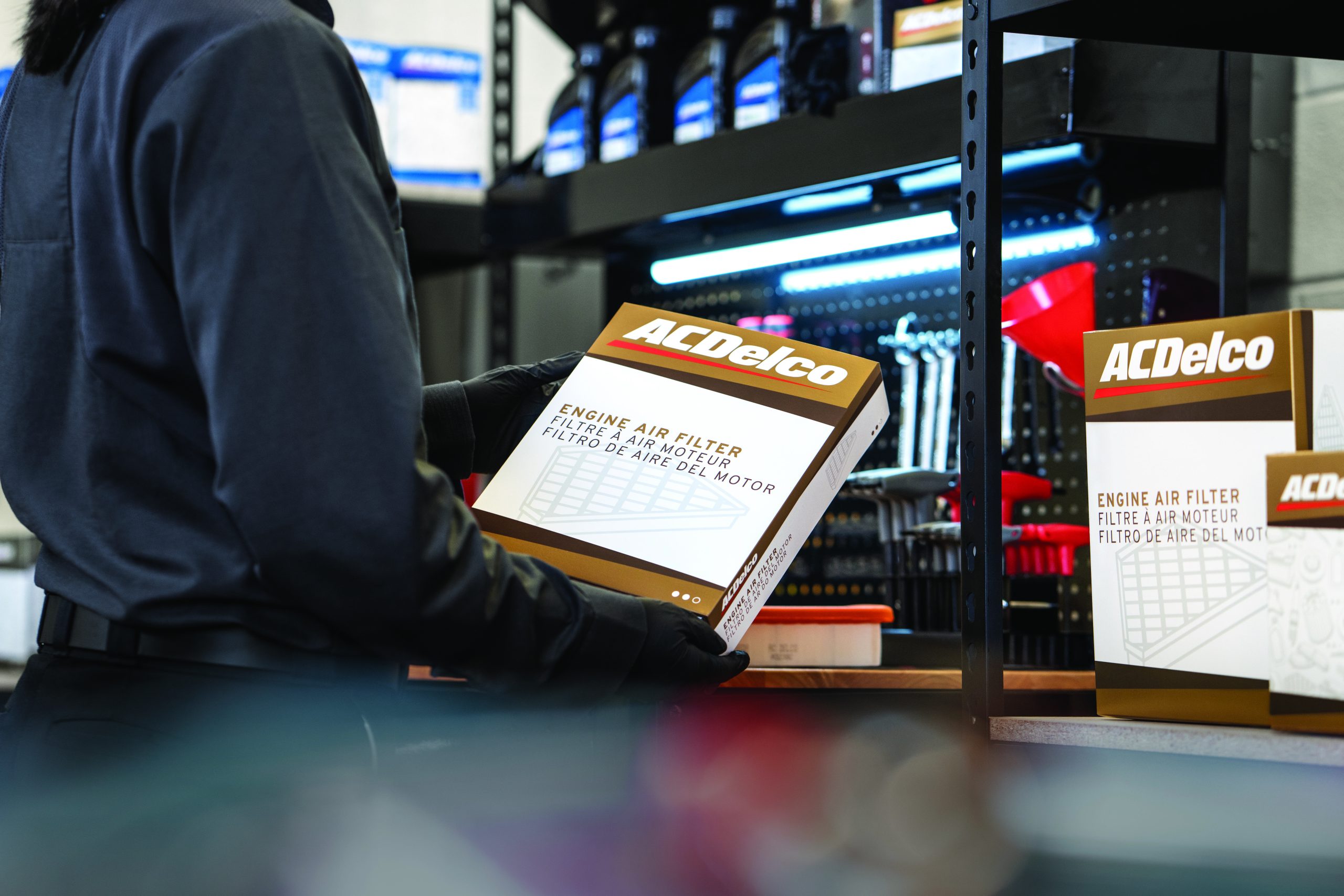
The engine air filter keeps dirt, pollen, sand, and debris from entering your engine. Clean air is critical for proper combustion, fuel efficiency, and engine longevity.
A dirty engine air filter can lead to:
- Reduced fuel economy
- Sluggish acceleration
- Rough idling
- Increased engine wear over time
2. Cabin Air Filter
The cabin air filter cleans the air that comes into your vehicle’s interior through the heating and air conditioning system.
A clogged cabin air filter can cause:
- Reduced airflow from vents
- Musty or unpleasant odors
- Increased allergens inside the vehicle
- Extra strain on your HVAC system
Why Spring Is the Perfect Time to Replace Air Filters
Spring in the Carolinas brings:
- Pollen (lots of it)
- Dust from construction and farm roads
- Increased road debris after winter weather
Drivers in Cherokee County and surrounding areas often don’t realize how quickly filters clog during this time of year. Even if your filters were fine during winter, spring conditions can overwhelm them fast—especially if you:
- Park outdoors
- Drive back roads
- Commute daily to Spartanburg or Greenville
How Often Should You Replace Your Air Filters?
There’s no single answer that fits every vehicle. The best source is your owner’s manual, which provides exact mileage and time intervals.
That said, general guidelines include:
Engine Air Filter
- Typically every 12,000–30,000 miles
- May need replacement sooner in dusty or pollen-heavy areas
Cabin Air Filter
- Usually every 15,000–25,000 miles
- More often if you notice odors or reduced airflow
Pro Tip from Burns Chevrolet of Gaffney
You shouldn’t need to replace air filters at every oil change, but you should inspect them every oil change. Pulling the filter out allows you to:
- Check for heavy dirt buildup
- Look for tears or damage
- Make sure it isn’t completely clogged
What Happens If You Don’t Replace Your Air Filters?
Putting off air filter replacement may seem harmless, but it can lead to real issues over time.
Ignoring the Engine Air Filter Can Lead To:
- Decreased gas mileage
- Poor throttle response
- Check engine light in some cases
- Long-term engine damage
Ignoring the Cabin Air Filter Can Cause:
- Reduced A/C and heat performance
- Foggy windows
- Worsening allergy symptoms
- Strain on the blower motor
Replacing air filters is one of the most cost-effective ways to protect your vehicle.
Common Myths About Air Filter Replacement
Let’s clear up a few misconceptions:
Myth: “Air filters need to be replaced at every oil change.”
Not true. They should be checked every oil change, but replacement depends on condition.
Myth: “A dirty filter won’t really hurt anything.”
Over time, restricted airflow can affect fuel economy, performance, and comfort.
Myth: “Only older cars need air filter replacements.”
New vehicles need clean filters just as much—sometimes more, due to tighter tolerances.
Signs It’s Time to Replace Your Air Filters
You may need new air filters if you notice:
- Reduced fuel economy
- Weak airflow from vents
- A dirty or musty smell inside the car
- Excessive dust inside the cabin
- Sluggish engine performance
If you’re unsure, our Burns Chevrolet of Gaffney service team is happy to check for you.

Which Vehicles Are Easier (or Harder) to Replace Air Filters Yourself?
Is replacing the air filter on your vehicle something you can do yourself? It depends on your vehicle — and whether you’re replacing the engine air filter or the cabin air filter.
Engine Air Filters: Usually Easy for Most Vehicles
Across most major brands — including Chevrolet, Ford, Toyota, Honda, and Nissan — engine air filters are typically very DIY-friendly because they are:
- Located under the hood
- Housed in a plastic box with clips or screws
- No need to remove trim panels
- Usually takes 5–10 minutes
Common Easy DIY Examples:
- Chevrolet Silverado
- Chevrolet Equinox
- Chevrolet Trax
- Ford F-150
- Toyota Camry
- Honda Accord
- Nissan Altima
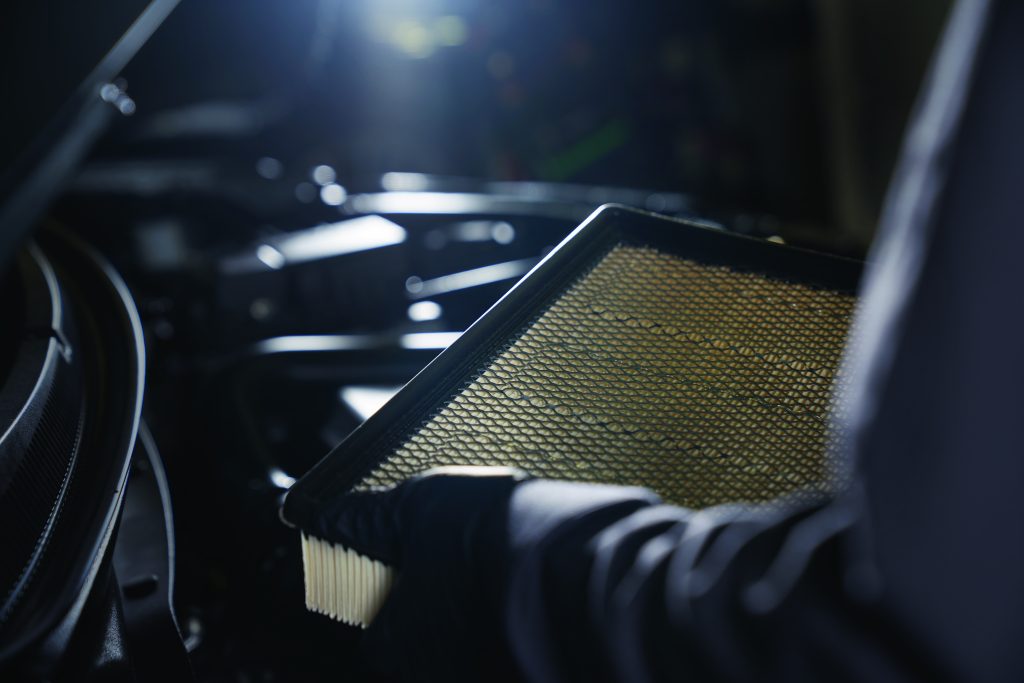
To replace the engine air filter in most of these vehicles, you simply:
- Open the hood
- Unclip or unscrew the air box
- Remove the old filter
- Insert the new one
Engine air filters are among the most straightforward maintenance items for DIYers.
Cabin Air Filters: Where Difficulty Can Vary
Cabin air filters are less predictable. Their placement depends heavily on manufacturer design choices.
Easier Cabin Air Filter Replacements
Many modern vehicles are designed for relatively simple access — often behind or just below the glove box.
These typically include:
- Chevrolet Equinox
- Chevrolet Traverse (newer models)
- Toyota Camry
- Toyota RAV4
- Honda Civic
- Honda Accord
- Ford Escape
In these models, replacing the cabin air filter usually involves:
- Lowering or removing the glove box
- Opening a small access panel
- Sliding the filter out
Many can be completed in under 15 minutes with minimal tools.
More Difficult Cabin Air Filter Replacements
Some vehicles require additional trim removal, working in tight spaces, or accessing the filter from unusual locations.
Automotive trade publications like Underhood Service have documented certain vehicles that technicians consider more time-consuming.
Examples can include:
- Older Nissan Altima models
- Early 2000s Honda Accord models
- Some Acura models
- Certain BMW and European vehicles (filters may be under the cowl near the windshield)
- Some full-size SUVs like older Chevrolet Tahoe or Suburban models, where tight interior space can make access awkward
These vehicles may require:
- Removing multiple screws
- Disconnecting trim panels
- Working around wiring or tight dash components
While still possible to DIY, they can become frustrating if you’re short on time.
Should You DIY or Schedule Service?
You may choose to replace the filter yourself if:
- You enjoy working on your vehicle
- You have 10–20 minutes to spare
- Your vehicle has easy access
However, many drivers in Gaffney, Spartanburg, Boiling Springs, Blacksburg, Cowpens, and Shelby prefer to have their air filters replaced during an oil change or tire rotation at a vehicle service shop.
At Burns Chevrolet of Gaffney, we:
- Inspect your air filters during routine maintenance
- Make recommendations based on certified manufacturer guidelines
- Install the correct OEM-quality filter
- Check for damage, tears, or excessive buildup
Benefits of Having Air Filters Replaced During Service:
- Saves time
- Ensures the correct filter is installed
- Allows trained technicians to inspect related components
- Can be done during oil changes or tire rotations
If you value your time or simply want peace of mind, having our certified technicians handle it while you’re already in for service can be the most convenient option.
Doing It Yourself? Order OEM Parts from Burns Chevrolet of Gaffney
If you decide to replace your air filter yourself, using the right part matters. Not all filters are made the same, and installing the wrong size or lower-quality filter can reduce performance or allow debris to slip through.
At Burns Chevrolet of Gaffney, you can order genuine OEM air filters designed specifically for your vehicle make and model. OEM (Original Equipment Manufacturer) parts are built to meet factory specifications, ensuring proper fit, airflow, and filtration.
Our parts team can help you:
- Confirm the correct engine or cabin air filter for your vehicle
- Check availability
- Order parts quickly if they’re not in stock
Serving Gaffney and Surrounding Communities with Trusted Service
Drivers from Gaffney, Spartanburg, Boiling Springs, Blacksburg, Cowpens, and Shelby trust Burns Chevrolet of Gaffney for honest advice and dependable maintenance. Our goal isn’t just to fix problems—it’s to help you prevent them.
Air filter replacement is a small service that can make a big difference in how your vehicle runs and feels.
Schedule Air Filter Service at Burns Chevrolet of Gaffney
Whether you want:
- A quick inspection
- Replacement during an oil change
- Help figuring out the right maintenance schedule
Our experienced vehicle service team is here to help.
Spring is the perfect time to refresh your vehicle, and clean air filters are one of the easiest ways to start.Schedule your vehicle service appointment with Burns Chevrolet of Gaffney today and drive confidently through every season.
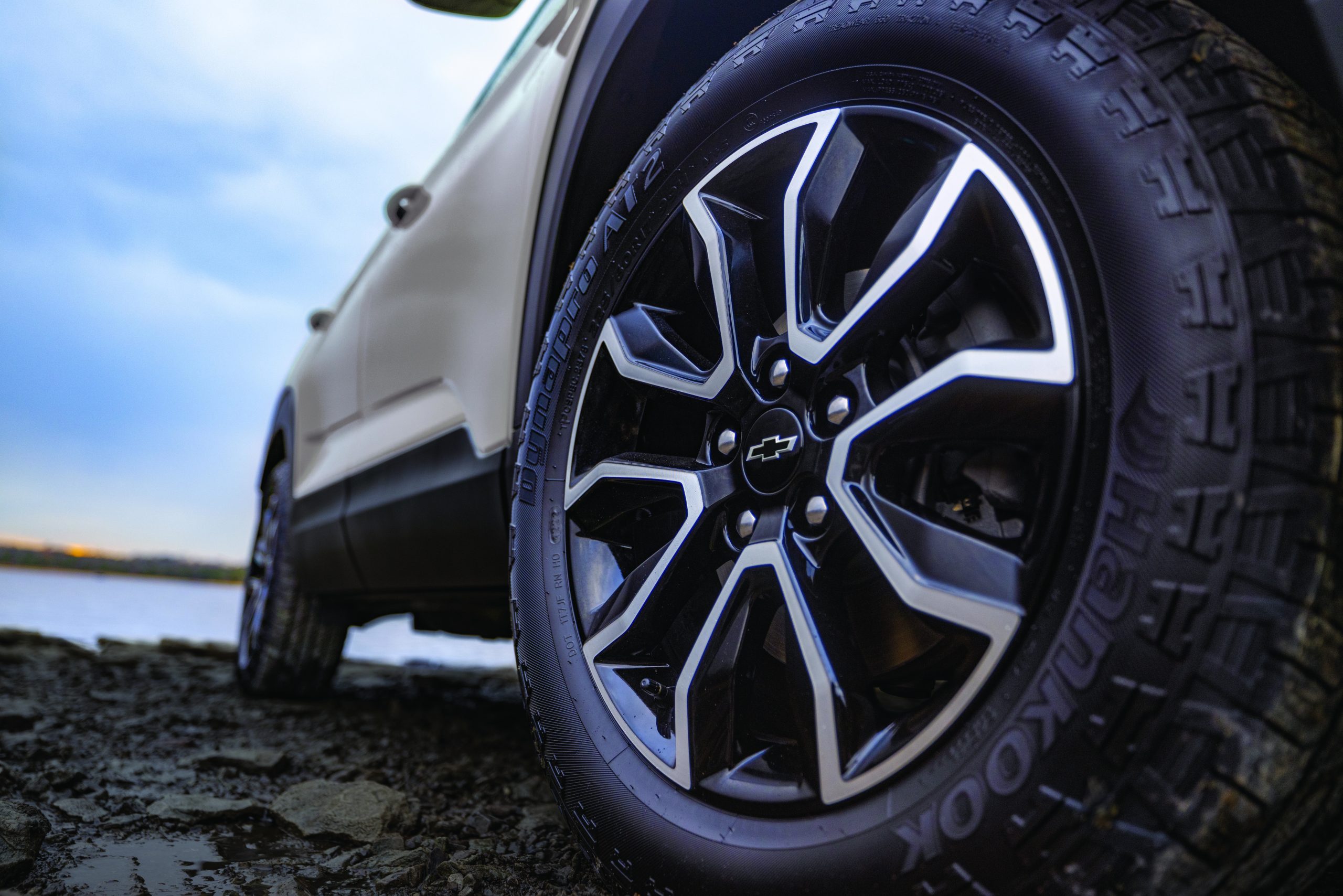
Tire rotation is one of the simplest vehicle services that delivers some of the biggest benefits. Protecting your tires protects your entire vehicle. Yet many drivers in Gaffney, Spartanburg, Boiling Springs, Blacksburg, Cowpens, and Shelby often overlook it until performance issues appear.
If you’ve ever wondered “Are tire rotations worth it?” or “Is tire rotation really necessary?”, you’re not alone. Let’s break down exactly why tire rotations matter, how often you should schedule them, and what signs tell you it’s time.
What Is a Tire Rotation?
So, what is a tire rotation exactly?
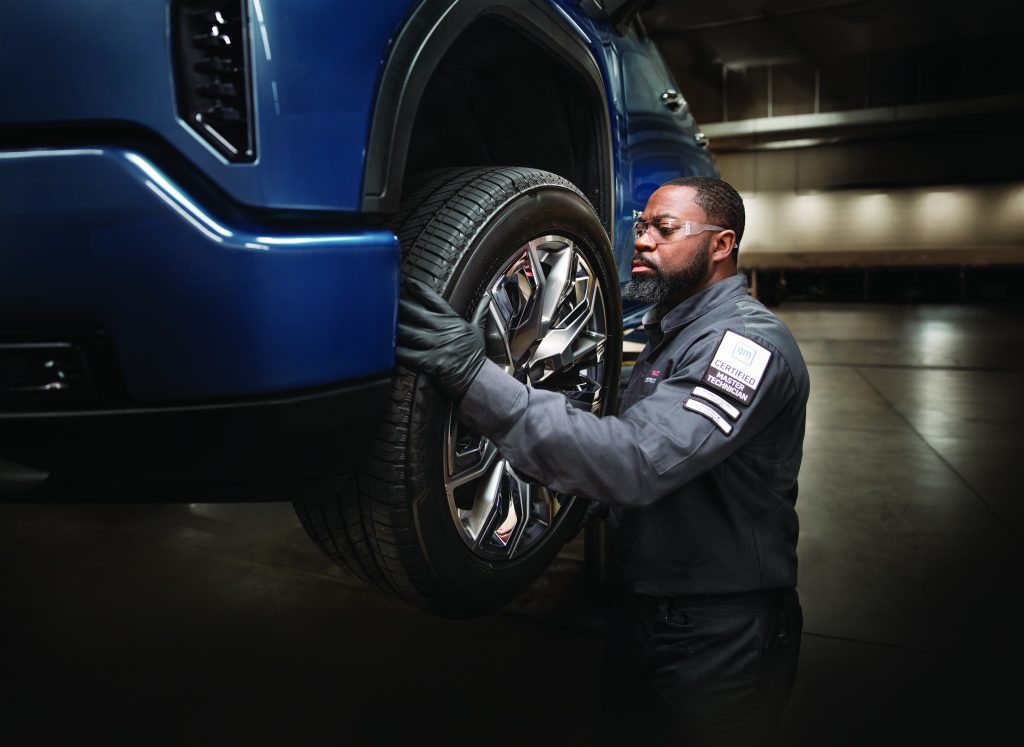
A tire rotation involves moving your tires from one position on your vehicle to another (typically front to back or side to side) following a specific pattern recommended by your manufacturer.
Why does this matter? Because each tire wears differently depending on:
- Whether your vehicle is front-wheel, rear-wheel, or all-wheel drive
- Steering forces on the front tires
- Weight distribution
- Driving habits and road conditions
By rotating your tires regularly, you help ensure they wear evenly, which leads to longer tire life, smoother handling, and safer driving.
Is Tire Rotation Really Necessary?
This is one of the most common questions our service team hears.
The short answer: yes. Tire rotation is necessary.
Front tires usually wear faster than rear tires, especially on front-wheel-drive vehicles like the Chevy Equinox or Nissan Altima. On trucks and SUVs such as the Chevy Silverado or Jeep Grand Cherokee, weight distribution and towing can also cause uneven wear.
Without rotations, you’ll likely replace tires sooner than expected, sometimes thousands of miles earlier.
How Important Are Regular Tire Rotations?
Think of tire rotations as preventative care for your vehicle.
1. Extends Tire Life
If you’ve ever had to replace your tires, you know that they are a major investment. Regular rotations help all four tires wear evenly, maximizing their lifespan and saving you money by avoiding premature replacements.
2. Improves Safety and Traction
Evenly worn tires provide:
- Better grip in wet conditions
- Shorter stopping distances
- Improved cornering
- More predictable handling
3. Creates a Smoother Ride
Uneven tire wear often causes vibration or pulling. Regular rotations help maintain ride comfort and stability.
4. Protects Suspension and Steering Components
Uneven tires place extra stress on suspension and steering systems. Over time, this can lead to expensive repairs that could have been avoided with routine rotations.
What’s the Point of Tire Rotations?
Tire rotations save you money and improve safety.
You should get regular tire rotations to:
- Prevent uneven tread wear
- Help tires last longer
- Improve handling
- Reduce road noise
- Protect vehicle components
It’s one of the most affordable maintenance services (often $20 or less) with some of the biggest long-term benefits.
Are Tire Rotations Worth It?
Yes, tire rotations are worth it.
Compared to the cost of replacing tires early, tire rotations are a small investment. Many service visits even include rotations as part of oil change packages.
Over the life of your vehicle, consistent rotations can save hundreds (sometimes thousands) of dollars while keeping your car safer on the road.
How Often Should You Rotate Your Tires?
Most manufacturers recommend rotating tires every 5,000 to 7,500 miles, which conveniently aligns with many oil change intervals.
However, driving habits, road conditions, and vehicle type can affect this timeline. At Burns Chevrolet of Gaffney, our service advisors can help create a customized maintenance schedule for you based on your specific vehicle.
Common Tire Rotation Patterns
Different drivetrains require different rotation patterns, and our technicians always follow manufacturer guidelines to ensure proper wear and performance.
Front-Wheel Drive (FWD)
Front tires typically wear faster due to steering and braking forces, so they are moved to the rear while rear tires cross to the front.
Common on vehicles like the:
- Chevy Malibu
- Chevy Equinox
- Toyota Camry
- Honda Accord
- Nissan Altima
- Hyundai Elantra
- Kia Forte
Rear-Wheel Drive (RWD)
Rear tires move forward while front tires cross to the back to balance wear caused by acceleration and towing.
Common on trucks and SUVs such as the:
- Chevy Silverado
- Chevy Tahoe
- Ford F-150
- Ram 1500
- Toyota Tacoma
- Jeep Grand Cherokee
All-Wheel Drive (AWD)
All four tires must stay closely matched in tread depth, making regular rotations especially important to protect drivetrain components.
Found on vehicles like the:
- Chevy Traverse AWD
- Chevy Blazer AWD
- Subaru Outback
- Toyota RAV4 AWD
- Honda CR-V AWD
- Ford Escape AWD
Our GM-certified technicians at Burns Chevrolet of Gaffney service all makes and models, and we always follow factory-recommended rotation patterns to help maximize tire life and keep your vehicle performing its best.
Signs You May Be Due for a Tire Rotation
- Uneven tread wear
- Steering wheel vibration
- Vehicle pulling to one side
- Increased road noise
- Reduced traction
Even if you don’t notice these signs, staying on schedule is the best way to avoid problems before they start.
Frequently Asked Questions About Tire Rotations
Can I rotate my own tires?
It’s definitely possible to rotate your own tires. However, professional service ensures proper torque, correct rotation patterns, tire pressure checks, and a visual inspection for damage or suspension issues. Practically, professional vehicle service shops also have the tools needed for the job, such as a torque wrench.
Do new tires need rotation?
Yes. Rotating new tires early helps establish even wear patterns from the beginning.
Do all vehicles need tire rotations?
Yes, all vehicles benefit from regular tire rotations.
Tire Rotations Work Best with Routine Maintenance
Though you can get a tire rotation done without any other vehicle service, it often makes the most sense to rotate your tires along with other basic vehicle maintenance services at your local vehicle service shop, such as our Gaffney Service Center.
Tire rotations pair perfectly with:
- Oil changes
- Wheel alignments
- Brake inspections
- Tire pressure checks
What’s a Good Place to Get a Tire Rotation?
It’s important to get your tire rotation completed at a trusted local shop that will take the time to ensure your service is completed with attention to detail and efficiency.
At Burns Chevrolet of Gaffney, we proudly offer:
- GM-certified technicians
- Factory-approved service procedures
- Genuine parts when needed
- Complimentary multi-point inspections
- Vehicle Service for all makes and models
- Easy online scheduling for your vehicle service
We serve drivers throughout Cherokee County, Spartanburg, and the rest of the Upstate and Charlotte region, and have over 1,000 5-star Google reviews from customers who have trusted our Gaffney, SC dealership for their vehicle needs.
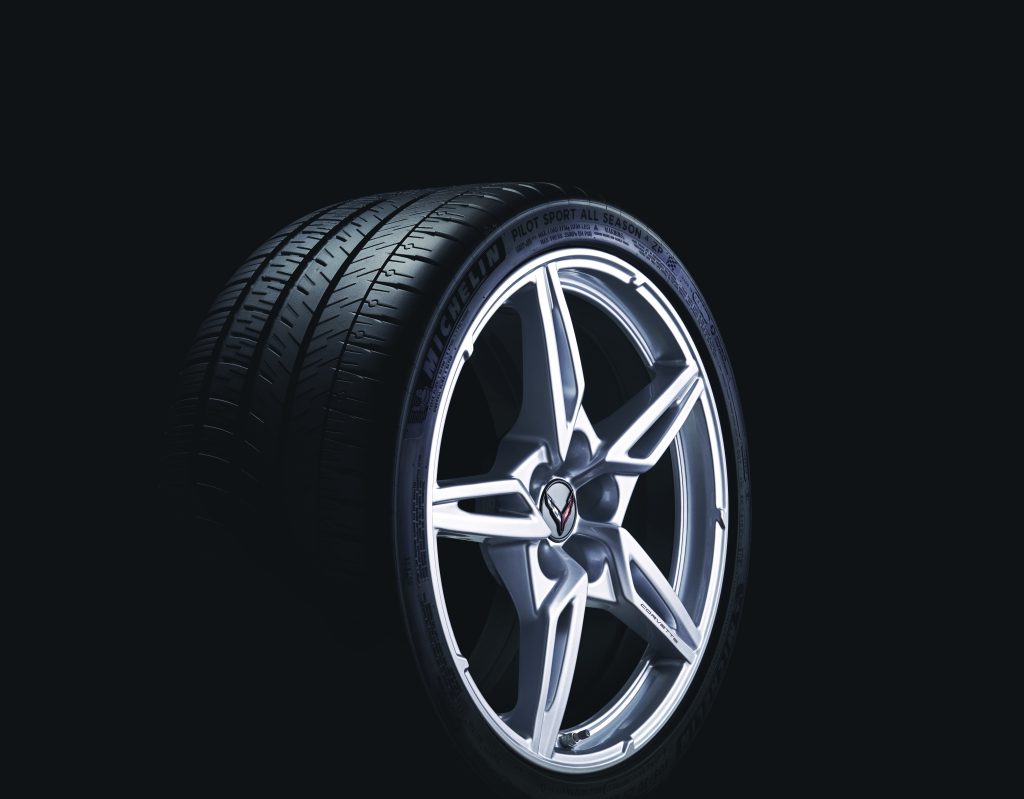
How Local Driving Conditions Affect Tire Wear
Road conditions around Gaffney and Spartanburg include:
- Hot summer pavement
- Heavy rain
- Construction zones (I-85, anyone?)
- Rural back roads
These factors increase the importance of regular rotations to prevent uneven wear.
When It’s Time for Tire Replacement
Rotations help extend tire life, but eventually tires wear out. Replacement may be needed if:
- Tread depth drops below 2/32”
- Tires show cracking or bulging
- Traction decreases
- Tires are over six years old
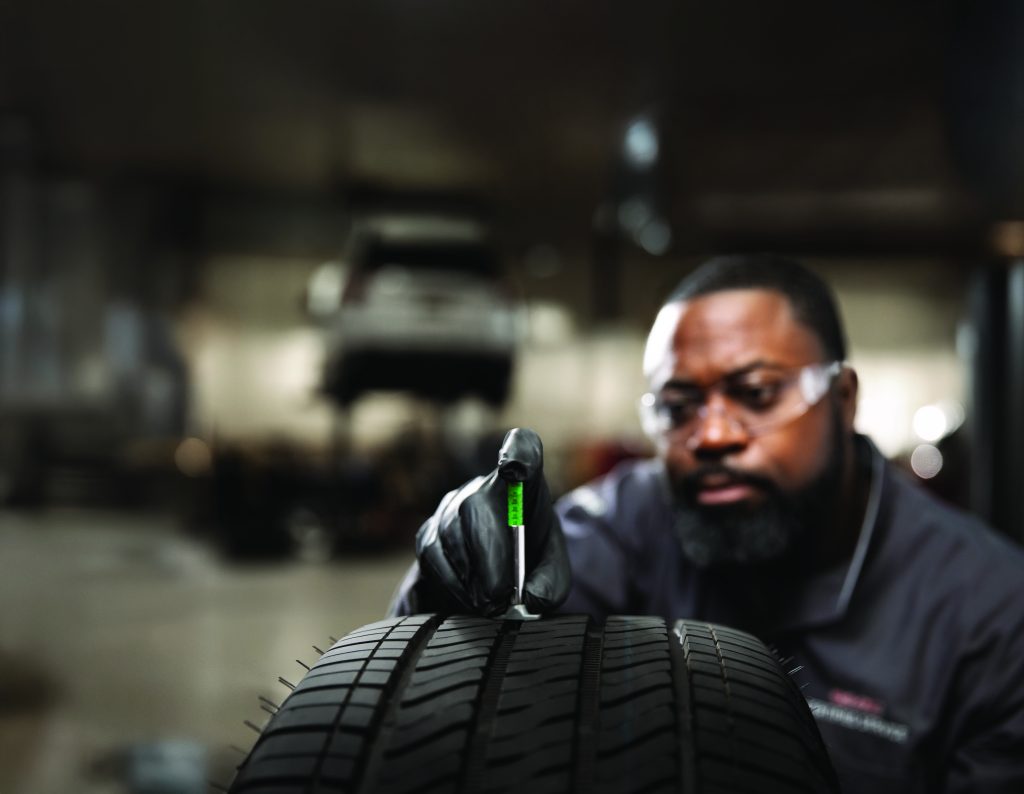
Our technicians can measure tread depth and help you choose replacements that match your driving needs and budget.
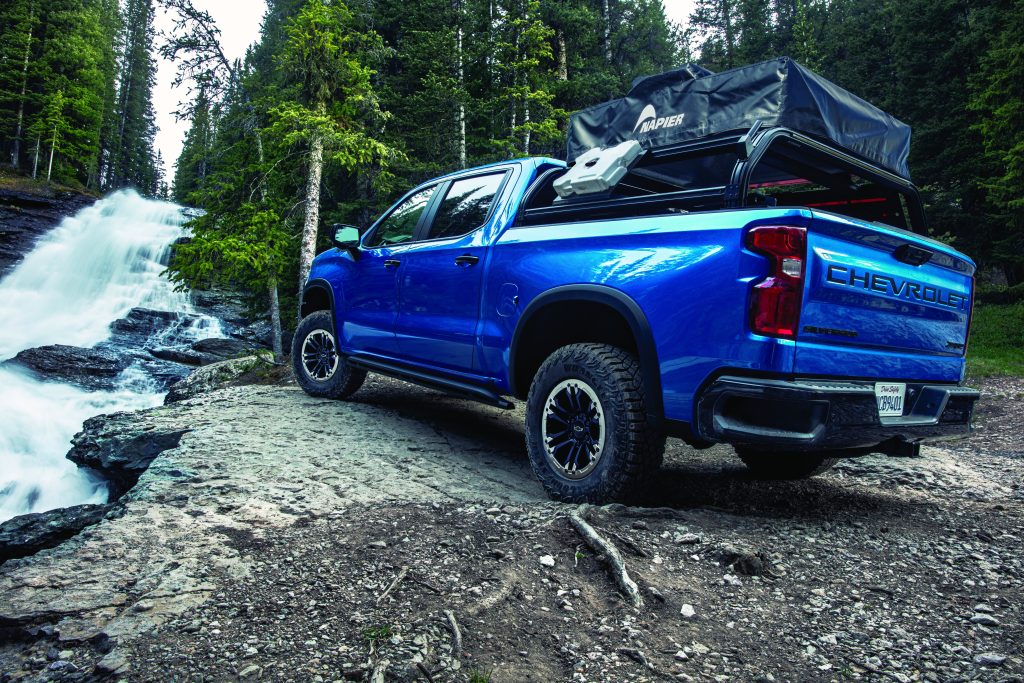
Schedule Your Tire Rotation at Burns Chevrolet of Gaffney
Whether you drive a Chevrolet or another make, Burns Chevrolet of Gaffney is here to help keep you safe on the road.
We proudly serve drivers from:
- Gaffney
- Spartanburg
- Boiling Springs
- Blacksburg
- Cowpens
- Shelby
- Kings Mountain
Schedule your service appointment online or call Burns Chevrolet of Gaffney at 864-489-6000 today.
Join the thousands of others who let us be their trusted partner in vehicle maintenance — because taking care of your tires means taking care of everything else.
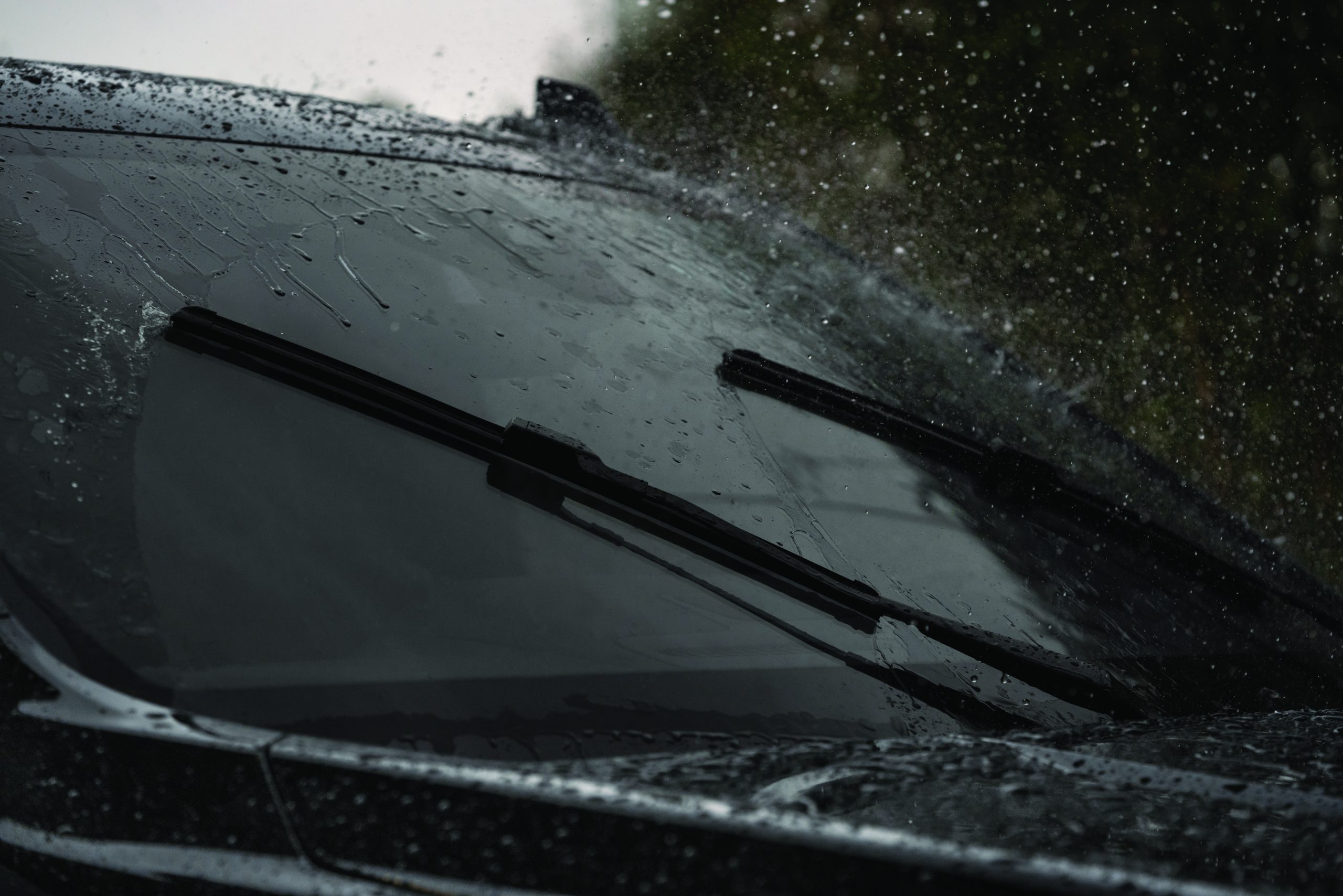
Clear visibility is one of the most important safety features on your vehicle — and your windshield wipers play a huge role in that. Whether you drive a Chevrolet, Ford, Toyota, or anything in between, having the correct windshield wiper size and type ensures you’re prepared for rain, road spray, pollen, bugs, and unexpected storms.
At Burns Chevrolet of Gaffney, we help drivers every day find the right parts for their vehicles — even if they didn’t purchase their car from us. This guide will walk you through everything you need to know about windshield wipers, including:
- How to find your exact wiper blade size
- Different types of windshield wipers
- How often you should replace your wiper blades
- Signs your wipers are worn out
- Helpful online tools for looking up sizes
- When to schedule maintenance or replacement
- How our Parts and Service departments can help
Why Windshield Wiper Size Matters
Windshield wipers aren’t one-size-fits-all. Each vehicle uses specific blade lengths designed to maximize coverage without interfering with the edges of the windshield or each other.
Using the wrong size can lead to:
- Streaking or skipping
- Missed sections of glass
- Excessive noise or chatter
- Premature blade wear
- Reduced visibility in heavy rain
Did you know that most vehicles have two different blade lengths? One for the driver side and one for the passenger side. SUVs and hatchbacks often have a third rear wiper as well.
Getting the correct size is quick and easy, and it makes a big difference in driving comfort and safety.

How to Find Your Windshield Wiper Size
Here are several reliable ways to determine the correct size for your vehicle, regardless of brand.
1. Check Your Owner’s Manual
You may not have to refer to it often, but your vehicle’s owner’s manual typically lists recommended windshield wiper sizes. So pull it out of the dash and look under maintenance or exterior care for information about your specific vehicle’s wipers.
If you no longer have your manual, many manufacturers offer digital versions online.
2. Look at Your Existing Wiper Blades
Many blades actually have their size printed directly on the frame or rubber (for example, 24”, 22”, or 18”).
Simply lift the blade away from the windshield and inspect it closely.
Be sure to check both wipers, since they’re often different lengths.
3. Use an Online Wiper Size Lookup Tool
Several trusted websites allow you to enter your vehicle’s year, make, and model to find the correct sizes instantly. Popular options include:
- Rain-X Wiper Size Finder
- AutoZone Wiper Blade Finder
- Wiper-Blades.com
These tools are convenient, especially if you’re shopping online or planning ahead.
Just make sure you enter your vehicle information accurately.
4. Call the Burns Chevrolet of Gaffney Parts Department
If you’d rather skip the guesswork, our knowledgeable Parts team is happy to help — even if you drive a non-Chevrolet vehicle.
Simply provide this information about your vehicle:
- Year
- Make
- Model
- Trim level (if known)
We can confirm your wiper sizes, recommend blade options, and help you order the right wipers.
This is one of the fastest and most reliable ways to get exactly what your vehicle needs.
Example Windshield Wiper Sizes for Popular 2025 U.S. Vehicles
Here’s a quick reference of wiper blade sizes for several of the most popular vehicles on the road today. These are 2025 model year fitments — always double-check your vehicle’s owner’s manual or a parts lookup tool to confirm exact sizes for your trim or options.
| Vehicle (2025 model) | Driver Side | Passenger Side | Rear Wiper | Notes |
| Ford F-150 | 22″ | 22″ | N/A | Standard configuration for many trims; exact size can vary by cabin size/trim (e.g., SuperCrew) but typically 22″. |
| Chevrolet Silverado 1500 | 22″ | 22″ | N/A | OEM and aftermarket fitments list 22″ blades front left/right. |
| Toyota Camry | 26″ | 20″ | N/A | Common wiper size for 2025 Camry front blades; matches OEM fitting. |
| Toyota RAV4 | 26″ | 16″ | ~10″–12″ * | Front wipers are 26″/16″ for 2025 RAV4; rear wiper is typically around 10″–12″ depending on exact configuration. |
| Honda CR-V | 24″ | 19″ | ~10″ * | Many 2023–2025 CR-V models use a 24″/19″ front setup and ~10″ rear (if equipped). |
| Toyota Highlander | 26″ | 18″ | ~12″ | Common sizes for recent Highlander models including 2025; check for rear specs. |
| Honda Civic | ~26″ | ~18″ | N/A | Most recent Civic generations use ~26″ driver and ~18″ passenger blades — confirm with exact year/trim. |
| Nissan Rogue | ~26″ | ~17″ | ~12″ | Typical sizes for recent Rogue models; confirm with your year/trim. (Common in many fitment charts.) |
| Jeep Grand Cherokee | ~22″ | ~21″ | ~11″–12″ * | Recent Cherokee models often use 22″/21″ fronts with a rear around ~11″–12″ — verify your specific year. |
* Rear wiper sizes vary significantly between trims (e.g., SUVs with or without rear wipers) and manufacturer offerings; always verify your exact size prior to purchase.
Why Wiper Sizes Vary Even Within the Same Model
Trim level, cabin size, and even optional features like rain-sensing wipers can change blade lengths or attachment styles. That’s why:
- Two 2025 vehicles of the same model can use different wiper sizes depending on trim.
- Some vehicles (especially SUVs and hatchbacks) include a rear wiper, which adds a third size you’ll need to know.
- Mid-year design changes or updates can adjust OEM blade fitments.
For these reasons, it’s always safest to:
✔ Reference your owner’s manual first
✔ Use a trusted online lookup tool (like Rain-X Blade Size Finder or FindMyWipers.com) where you enter year/make/model to get exact sizes
✔ Call our Burns Chevrolet of Gaffney Parts Department at 864-489-6000 with your VIN or vehicle details
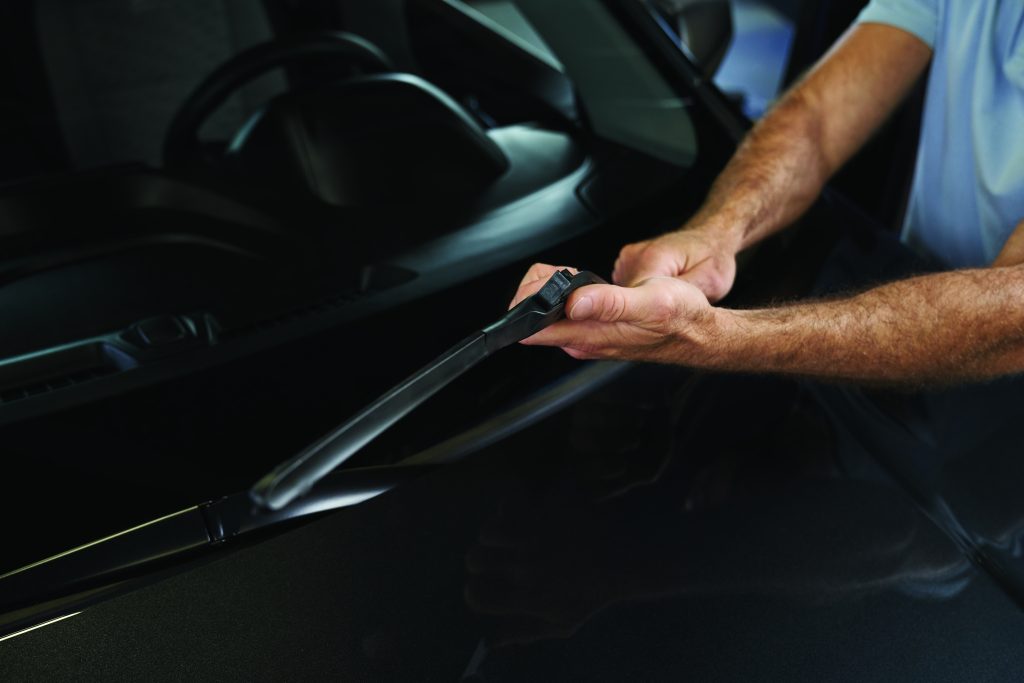
Types of Windshield Wiper Blades
- Conventional Frame Blades: Traditional metal-frame design that’s affordable, widely available, and works well for everyday driving in mild weather.
- Beam Blades: Sleek, frameless blades that provide even pressure across the windshield, making them quieter and more effective in heavy rain, snow, and ice.
- Hybrid Blades: A combination of frame and beam styles, offering strong structure with improved aerodynamics for reliable all-weather performance.
- Winter Blades: Built with a rubber-encased frame to prevent ice buildup, making them ideal for colder climates or winter travel.
- Premium/Silicone Blades: Longer-lasting blades that resist UV damage and often leave a water-repellent coating on your windshield for clearer visibility.
Your vehicle may perform best with a specific style, and our Parts team can help you decide.
How Often Should You Replace Windshield Wipers?
Most manufacturers and automotive professionals recommend replacing windshield wipers every 6 to 12 months.
Even if they don’t look damaged, the rubber naturally breaks down over time due to:
- Sun exposure
- Heat and cold
- Dirt and debris
- Road chemicals
Signs It’s Time for New Wipers
- Streaking or smearing
- Skipping across the windshield
- Squeaking or chattering noises
- Visible cracking or splitting
- Bent or loose frames
If your visibility is compromised, it’s time for replacement windshield wipers.
Seasonal Wiper Maintenance Tips
Spring & Summer
- Clean blades regularly to remove pollen and bugs
- Look out for cracking from the South Carolina summer heat
Fall
- Clear leaves and sap from your windshield
Winter
- Never use wipers to scrape ice
- Lift blades during snowstorms when possible
- Consider winter blades for added protection
Simple habits like these can help extend blade life and improve performance.
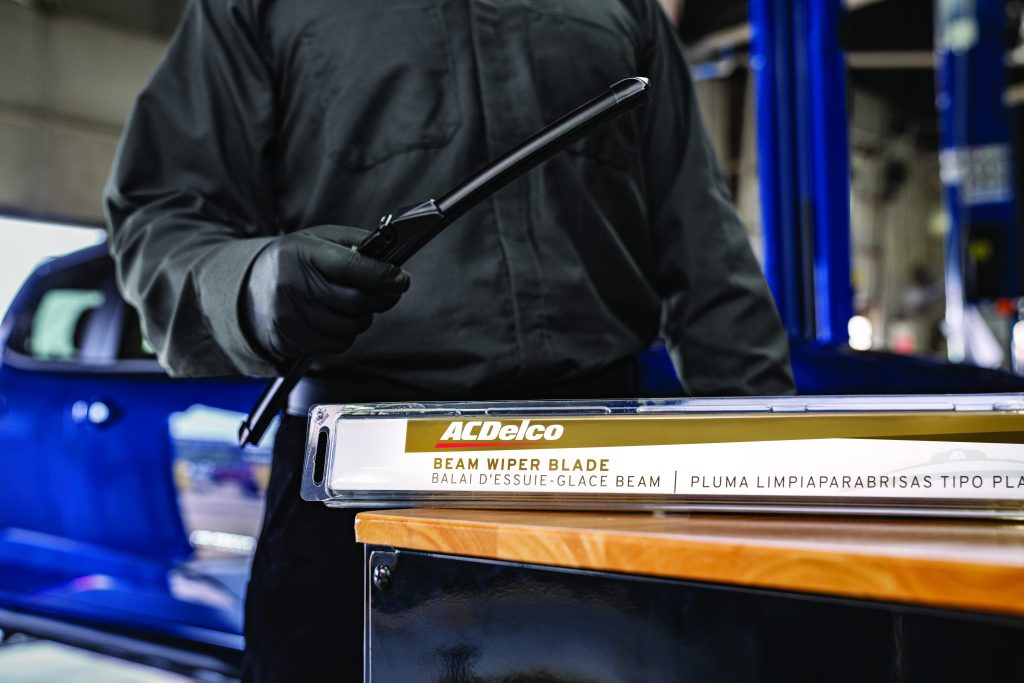
Professional Wiper Replacement at Burns Chevrolet of Gaffney
While windshield wipers are a DIY-friendly item, many Upstate SC drivers prefer professional installation — especially when combining it with other maintenance.
At Burns Chevrolet of Gaffney, our Service team can:
- Install new wiper blades
- Inspect wiper arms and motors
- Check washer fluid levels
- Ensure proper blade alignment
Best of all, wiper replacement can easily be added to:
- Oil changes
- Tire rotations
- Brake inspections
- Multi-point vehicle inspections
It’s a small service that makes a big difference.
When Should You Schedule Wiper Service?
Good times to replace or inspect your wipers include:
- Before storm season (June through November in South Carolina)
- Prior to road trips to Asheville or Charleston
- During routine vehicle maintenance visits
- At the first sign of streaking
As we know, South Carolina weather can change quickly, and being proactive helps keep you safe.
We Help Drivers of All Makes and Models
Even though we’re a Chevrolet dealership, Burns Chevrolet of Gaffney proudly assists drivers of all brands with parts lookup and basic maintenance needs.
Whether you drive a Ford, Toyota, Honda, Nissan, Jeep, or Chevrolet, our Parts and Service departments are here to help you stay road-ready.
Give us a call and tell us your VIN or vehicle details, and we’ll take it from there. Or, fill out our Parts Order form online and we’ll contact you.

Final Thoughts
Windshield wipers may be small, but they play a huge role in your safety.
Remember:
- Always verify your correct wiper size
- Replace blades every 6–12 months
- Choose the right blade type for your driving conditions
- Watch for signs of wear
- Take advantage of professional installation during routine service
If you ever have questions about windshield wipers, vehicle maintenance, or replacement parts, our team at Burns Chevrolet of Gaffney is happy to help.Contact our Parts or Service departments today at 864-489-6000 to find the right wipers for your vehicle. Ready to schedule your next maintenance appointment and let us take care of your wipers? Book your Gaffney vehicle service appointment online.
Saturday with Santa at Burns Chevrolet of Gaffney

Join Us for Saturday with Santa at Burns Chevrolet of Gaffney!
The holiday season is just around the corner, and Burns Chevrolet of Gaffney is excited to welcome families from across the community to our first Saturday with Santa event. This event will be a great way to kick off the holidays with fun activities, sweet treats, and special offers for the entire family.
Event Time: Saturday, December 6th from 10 AM – 1 PM
Location: Burns Chevrolet of Gaffney (101 Peachoid Road Gaffney, SC 29340)
What to Expect at Saturday with Santa
Candy Cane Giveaway
Children can enjoy a free candy cane as soon as they arrive. It’s a simple way to add a little extra holiday cheer to their day.
Molly’s Frozen Popz Food Truck
Warm up with delicious hot chocolate and enjoy freshly made doughnuts available for purchase. Molly’s Frozen Popz will be on-site serving seasonal favorites that pair perfectly with a winter morning.
Free Photos with Santa and Mrs. Claus
Families are invited to bring their own camera or phone to take complimentary photos with Santa and Mrs. Claus. It’s a great opportunity to capture a special holiday memory without the hassle or cost of a professional setup.
1-Day Sales and Service Specials
While you’re here, be sure to check out our exclusive one-day specials in both our vehicle Sales and Service departments. Whether you’re considering an upgrade or preparing your current vehicle for holiday travel with an oil change, our team will be ready to help.
We look forward to spending a festive Saturday with you and your family. Join us at Burns Chevrolet of Gaffney to celebrate the season and enjoy a morning filled with holiday spirit!
Choosing Accessories for Your Chevy Colorado
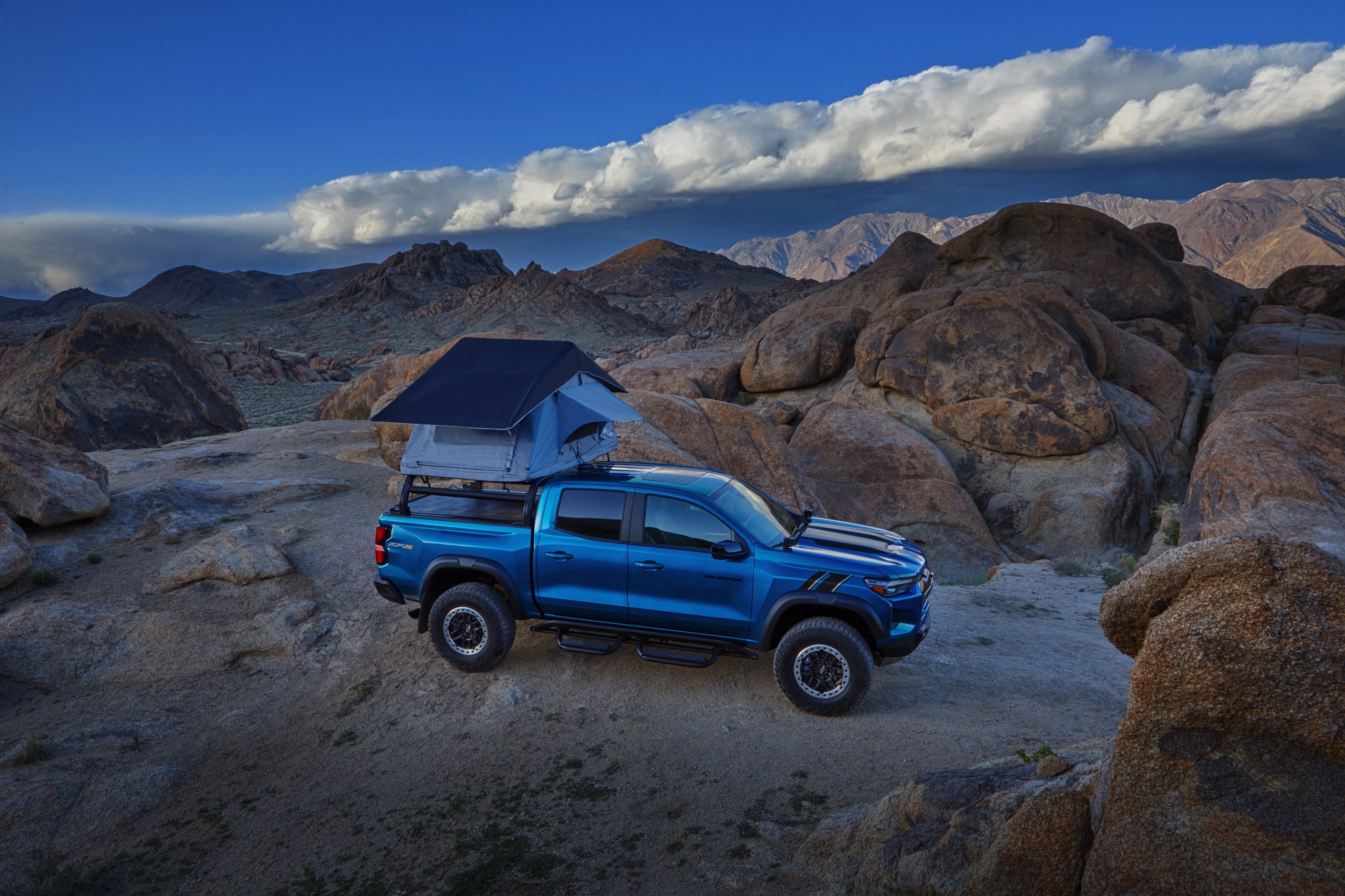
The midsize pickup segment is one of the most competitive in the truck world, with popular trucks like the Toyota Tacoma, Ford Ranger, and Nissan Frontier all fighting for attention. But where the Chevy Colorado really stands out in this group is in its ability to adapt. Beyond its built-in versatility, the Colorado offers one of the widest ranges of accessories in its class — allowing owners to tailor their truck for work, family life, or serious off-road adventures.
The Colorado is tough enough to handle backroads around Shelby, and just the right size for city driving around Charlotte or Greenville. And with trims ranging from the practical Work Truck (WT) to the off-road-dominating ZR2, every Colorado provides a strong foundation that can be taken even further with the right Chevy Colorado accessories.
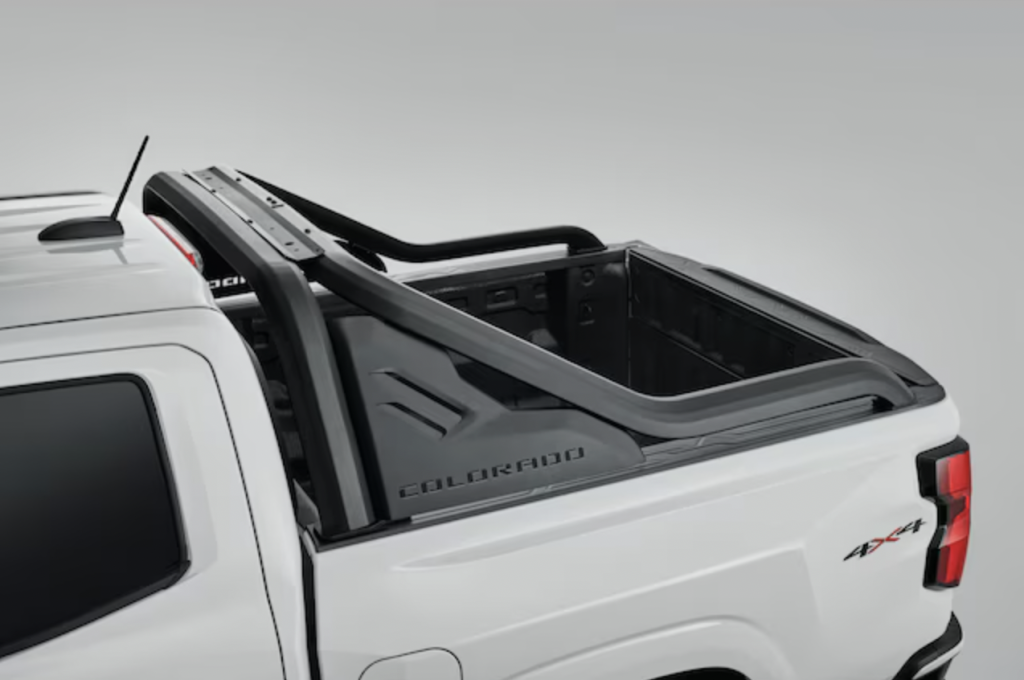
Accessories for a Chevy Colorado Based on Trim
Every driver uses their truck differently, and accessories bridge the gap between a standard setup and a truck that feels like it was made just for you. You can start with the trim level that’s right for your lifestyle and budget, and build off of that to make a completely custom Chevy Colorado.
- Work Truck (WT): Practical and straightforward, but becomes far more useful with accessories like bed liners, running boards, and tool storage.
- LT: Balanced for everyday use, often accessorized with infotainment upgrades, alloy wheels, and tonneau covers.
- Z71: Off-road capable from the start, but commonly upgraded with lift kits, grille guards, and skid plates.
- Trail Boss: Already built tough with a factory lift, but enhanced with light kits, cargo racks, and off-road wheels.
- ZR2: Chevy’s top off-road trim, often accessorized with Colorado ZR2 performance upgrades, roof racks, dashboard tech upgrades, and cargo solutions for big adventures.
Unlike competitors such as the Tacoma or Ranger, which often rely on aftermarket add-ons, Chevy makes it simple with a deep parts catalog of OEM accessories designed specifically for the Colorado.
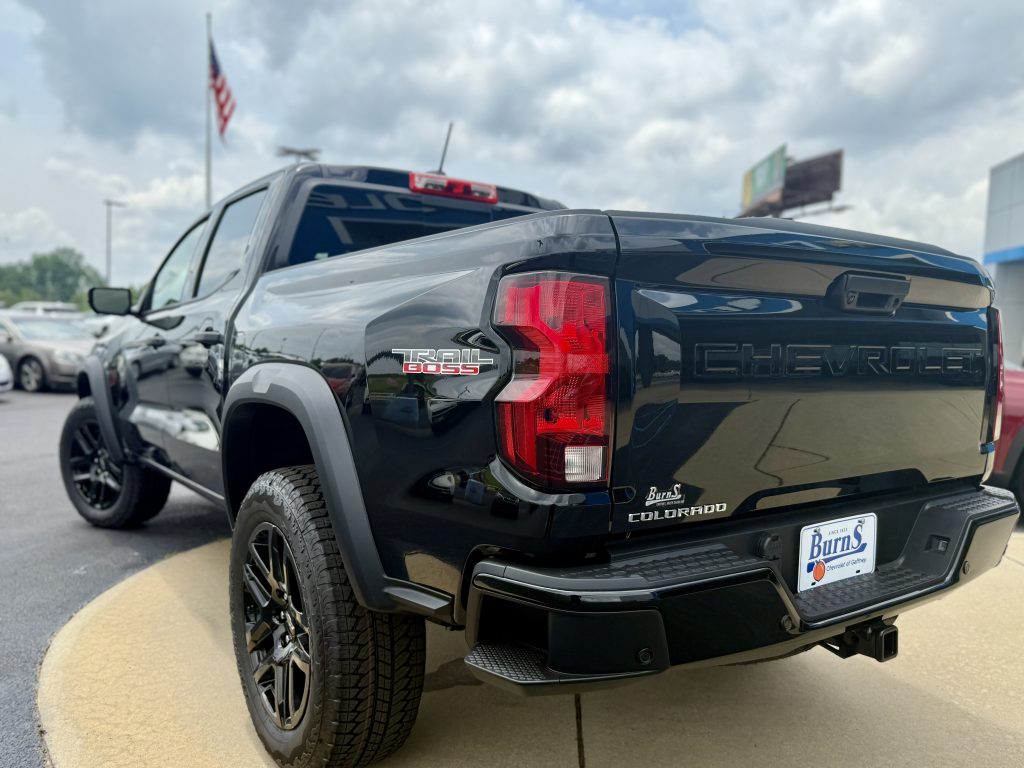
Chevrolet Colorado Exterior Accessories
When it comes to changing the look and capability of your Colorado, exterior accessories make the biggest impact.
Chevy Colorado wheels are one of the simplest upgrades. Many WT owners step up from steel wheels to alloys, while LT drivers lean toward blackout or sport packages. Off-road trims like Z71 and Trail Boss shine with aggressive all-terrain wheels, and ZR2 owners often go a step further with beadlock-capable designs for serious trail runs. OEM wheels are engineered specifically for the Colorado, giving you the peace of mind that they’ll fit and perform the way they should.
For stance and clearance, lift kits and leveling kits are popular. A Colorado leveling kit gives WT and LT trims a balanced, athletic look for daily driving. The Z71 is a natural candidate for a lift kit to make room for larger tires, while the Trail Boss comes lifted from the factory but can still benefit from suspension tweaks. The ZR2 rarely needs more height, but protective skid plates and suspension upgrades keep it ready for rough terrain.
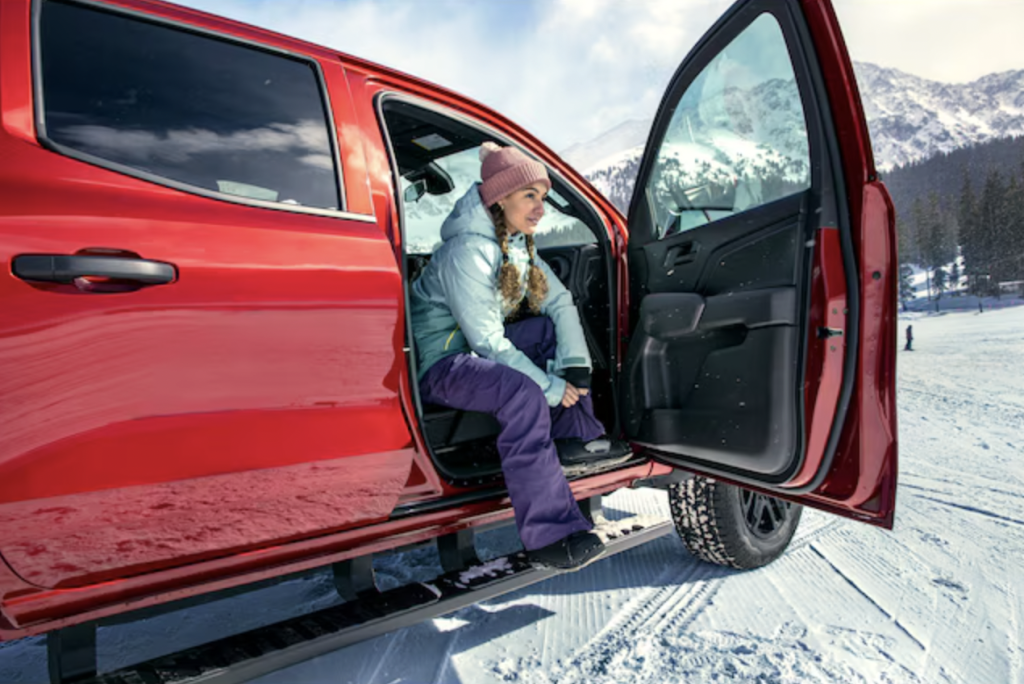
Practicality also matters, which is where Chevrolet Colorado running boards come in. They make climbing in and out easier, protect the lower body from debris, and, in the case of Trail Boss and ZR2, even double as rock sliders.
Finally, styling can be taken further with a Chevy Colorado body kit or a Chevrolet Colorado offroad bumper. Sportier kits look right at home on the LT, while rugged kits with fender flares fit the Z71 perfectly. The ZR2 already looks aggressive, but adding an off-road bumper improves approach angles, shields the front end, and adds mounting points for winches or light bars.
Chevy Colorado Interior Accessories
Inside, accessories make everyday driving more comfortable and more connected.
The Chevy Colorado dashboard can be customized across trims — simple dash mats and organizers keep the WT practical, while LT models often get infotainment and navigation upgrades. Z71 and Trail Boss drivers might add off-road data displays for backroad trips, and ZR2 owners frequently upgrade audio or add protective covers for long hauls.
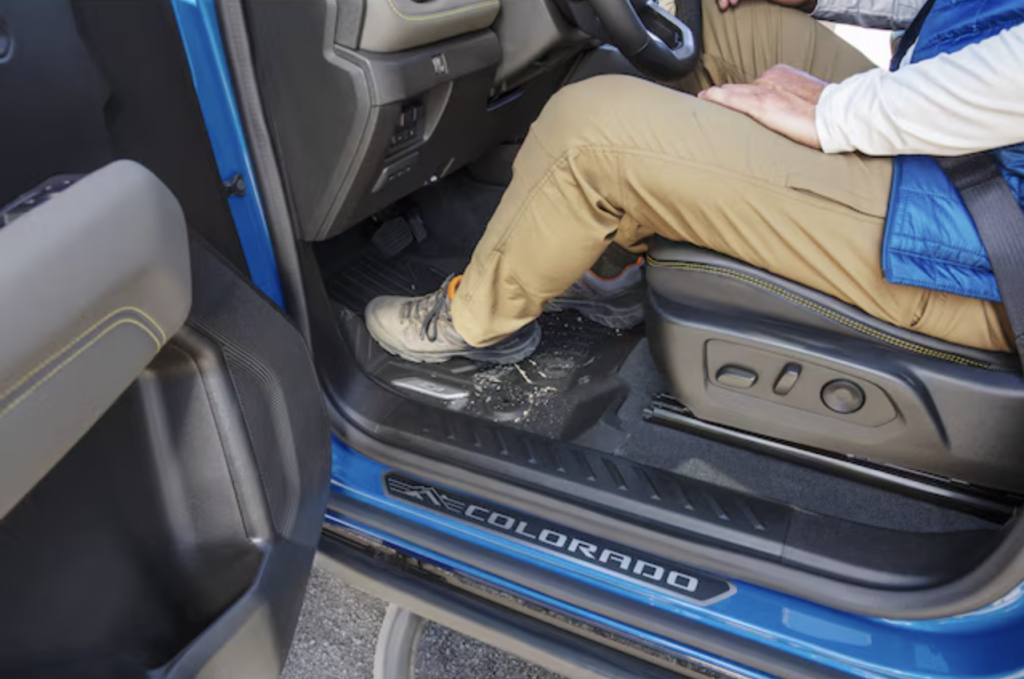
Other small upgrades go a long way: all-weather floor mats are essential for parents or outdoor adventurers, seat covers keep LT and WT trims’ cloth seats clean, and extra storage organizers help all Colorado drivers keep outdoor gear secure.
Chevy Colorado Performance & Utility Accessories
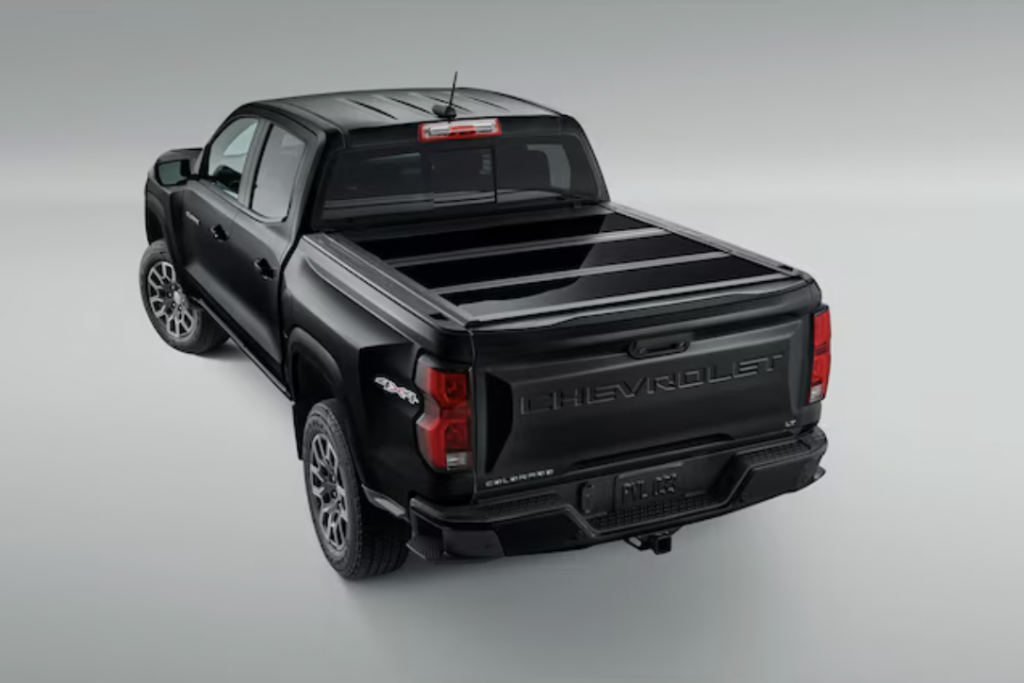
The bed is the heart of any pickup, and Chevy makes it easy to protect and organize. Spray-in liners and toolboxes keep a WT work-ready. LT owners often go for sleek tonneau covers. Z71/Trail Boss drivers add racks and dividers for camping or hunting trips. ZR2 drivers, who often pack for bigger adventures, benefit from roof racks and secure storage.
Lighting and protection upgrades are another area where accessorizing your Colorado pays off. Fog lights and grille guards are useful for WT drivers at jobsites, while LT and Z71 trims benefit from light bars and upgraded headlights. Off-road trims like Trail Boss and ZR2 often go for heavy-duty brush guards and full light kits.
And of course, no discussion of performance is complete without the Colorado ZR2 performance upgrades. Exhaust systems, cold air intakes, suspension kits, and brake packages give drivers more power, better response, and sharper stopping — all while maintaining Chevy’s reliability.
Chevy Colorado Parts Catalog
Whether you drive a WT or ZR2, the Chevy Colorado parts catalog covers it all:
- Routine maintenance parts like filters and brakes.
- OEM wheels, body kits, and dashboard components.
- Utility gear like tonneau covers, running boards, and lift kits.
If you buy parts for your Colorado from the Chevrolet accessories website, be sure to select Burns Chevrolet of Gaffney as your dealership. We strive to provide prompt and friendly fulfillment to all of our customers in the Upstate of South Carolina and Charlotte area.
We also keep OEM parts in stock and install them with factory-trained expertise at our Gaffney Service Center.
Buying Chevy Colorado Accessories — New or Used
When it comes to accessorizing your Colorado, one of the first choices is OEM versus aftermarket. OEM accessories are built by Chevrolet for your truck, guaranteeing proper fit, factory-backed quality, and long-term durability. Aftermarket parts can be less expensive and offer more variety, but quality and compatibility can vary.
This decision often ties closely to whether you’re a new or used truck buyer. New Colorado owners usually prefer OEM upgrades — everything is fresh, under warranty, and built to last. On the other hand, used Colorados and aftermarket parts are the preferred choice for many drivers in Gaffney, Spartanburg, and Greenville. They’re more budget-friendly, and many used trucks already come with popular upgrades like wheels, liners, running boards, or even a lift kit. For some buyers, that’s a perfect way to enjoy the benefits of accessories without the added cost.
At Burns Chevrolet of Gaffney, we try to stock both used and new Colorados and can help you decide the right path. Whether you want factory-fresh OEM accessories or a used truck with the upgrades already installed, our parts and service team is here to make sure your Colorado looks, drives, and works exactly the way you need it to.
If you already know the parts you’re looking for, fill out our vehicle Parts Order form and we will be in touch about purchasing.
Build Your Perfect Chevy Colorado at Burns Chevrolet of Gaffney
From the Work Truck’s utility to the ZR2’s off-road power, every Chevy Colorado trim has its own strengths. Accessories let you take those strengths even further — whether you’re upgrading with Chevy Colorado wheels, adding a lift kit, protecting your cabin with a dashboard upgrade, or installing Chevrolet Colorado offroad bumpers and ZR2 performance upgrades for serious trail work.
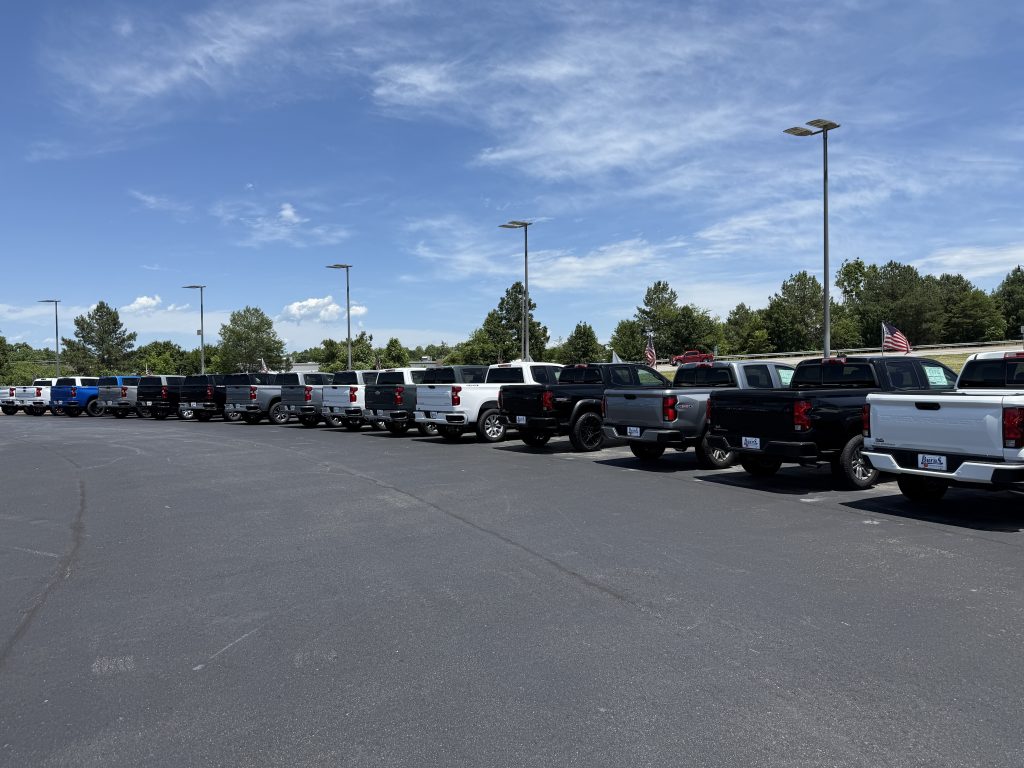
Competitors like the Tacoma, Ranger, and Frontier may offer their own packages, but the Colorado’s combination of trims and OEM accessories makes it one of the most customizable midsize trucks on the market.Drivers in Gaffney, Spartanburg, Greenville, Shelby, and Charlotte count on Burns Chevrolet for OEM Chevy Colorado parts and expert installation. Visit us today at 101 Peachoid Road in Gaffney, South Carolina to browse our parts catalog, explore our lineup of new and used trucks, or see how easy it is to make a Colorado truly your own by building a new Chevrolet truck.
Many customers walk into dealerships unprepared. They might not bring the right paperwork, forget their insurance information, or have only a vague idea of what they want to buy. That can turn what should be a smooth process into a long, drawn-out day.
Buying a car is a life milestone. For many of our customers, it marks the start of a new job, the expansion of a family, or the reward for years of hard work. And because a car is a major investment, the buying experience should be exciting, not stressful. We believe preparation is the key to making the most of your time and your money.
In our last two used car blog posts, we covered how to know you’re getting a good used car and how to know you’re getting a fair price on a used car. In this post, we’ll walk you through everything you need to know to prepare for your dealership visit to make it as smooth as possible. Whether you’re shopping for a new vehicle, browsing used cars, or doing in-house financing because of credit challenges, you’ll leave this post with practical, step-by-step guidance.

The Power of Preparation
Why it Matters for You
Preparation saves time, money, and stress. When you come prepared:
- You get to focus on the fun part. Instead of spending hours gathering paperwork, you’ll spend more time test driving vehicles and comparing features.
- You’ll have negotiating power. Knowing your budget and having your financing information in order means you’re better positioned to evaluate offers.
- You’ll avoid surprises. The last thing you want is to find the perfect vehicle only to discover financing can’t move forward because you forgot your proof of income.
Why it Matters for the Dealership
From our side, preparation allows us to serve you better. When we know what you’re looking for and have your documents in hand, we can:
- Get started on financing options immediately.
- Appraise your trade-in on the spot.
- Make sure your preferred car is washed, parked, and ready for you to test drive.
We want to eliminate unnecessary waiting so you can make informed decisions at your own pace.
Documents Needed to Purchase a Car
The most common delay in car buying happens when customers don’t bring the right paperwork. Below is a checklist of documents you should always bring when you’re ready to buy:
1. Driver’s License
A valid driver’s license is required for test drives and finalizing the purchase. Make sure it’s not expired.
2. Proof of Residence
Lenders and financing programs require confirmation of your address. Acceptable documents include:
- A recent utility bill
- A lease agreement or mortgage statement
- A bank or credit card statement with your current address
3. Proof of Income
For financing approval, lenders want to verify your income. This is especially important for customers with limited or challenged credit. Bring:
- 1-2 recent paycheck stubs, OR
- At least three months of bank statements (this shows consistent deposits)
4. Proof of Insurance
You must show proof of valid insurance before you can drive your new vehicle off the lot. If you already have insurance on your current car, bring your active insurance card. Once you’ve chosen your new vehicle, you can call your provider to update your policy.
5. Trade-In Documents
If you’re trading in a vehicle, you’ll need:
- The title (if it’s fully paid off)
- Loan payoff information if it’s still financed
- All key fobs
Pro Tip: Keep all your important car-buying documents in a single folder before visiting the dealership. It prevents last-minute scrambling and makes financing much faster.
Preparing Your Trade-In
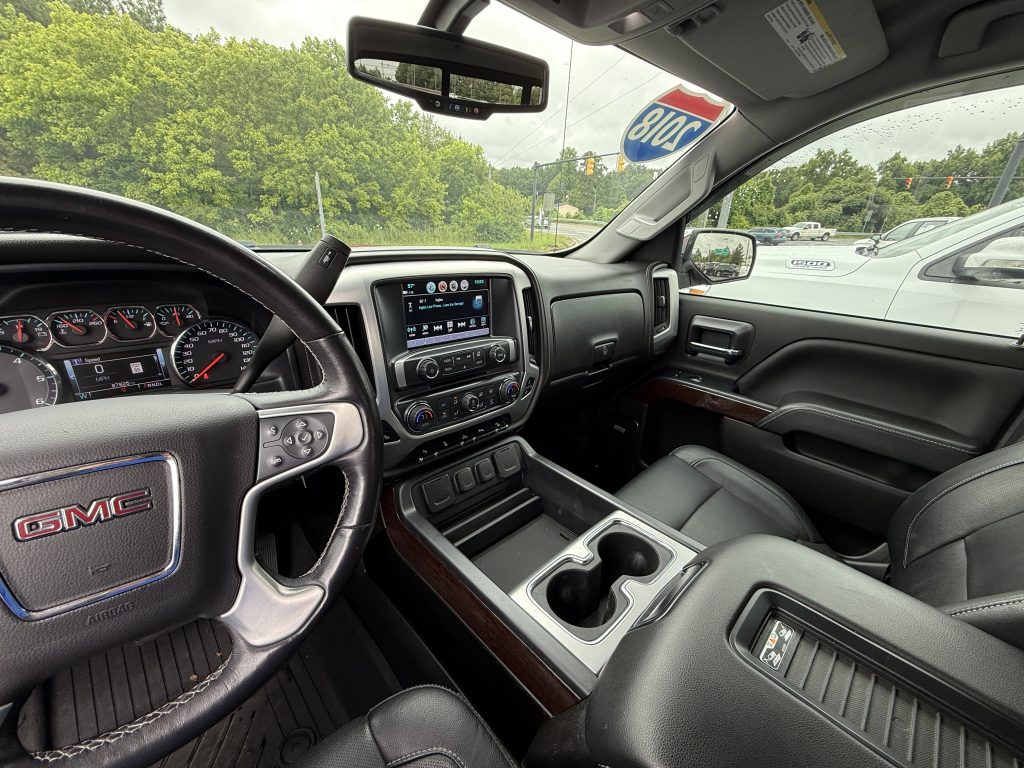
If you plan to trade in your current vehicle, it’s worth spending an hour or two making sure it’s ready. Why? Because a clean, well-presented vehicle often gets a higher appraisal value.
Here are some quick steps:
- Clean it inside and out. A freshly washed car shows you’ve taken care of it.
- Fix inexpensive issues. Replacing a burnt-out headlight or topping off fluids can help.
- Remove personal belongings. This makes appraisal easier and faster.
For a deep dive, check out our dedicated guide on how to get the best trade-in value for your car.
Pro Tip: Bring both sets of keys for your trade-in. Vehicles appraised with two working keys often get higher trade-in value because replacement keys can be expensive.
Setting Your Budget
Know Your Down Payment
Decide how much you can put down upfront. More money down usually means lower monthly payments and better financing terms.
Know Your Monthly Payment Range
Figure out what you’re comfortable spending each month. A general rule is that your car payment shouldn’t exceed 10–15% of your monthly take-home income.
Be Honest About Credit
If you know your credit score, share it with us! It helps us match you with realistic financing options. For customers with poor or no credit, our Buy Here Pay Here program is designed to help you get on the road while building your credit over time.
Pro Tip: Use an online car loan calculator to figure out your monthly payment range before you arrive. Knowing your comfort zone helps you avoid falling in love with a vehicle that doesn’t fit your budget.
Knowing What You Want
Walking into a dealership without any idea of what you’re looking for is like going grocery shopping without a list. You’ll spend more time wandering and may end up with something that doesn’t fit your needs.
Be Clear About Must-Haves
Do you need:
- Third-row seating for family trips?
- All-wheel drive for winter driving in the Carolina foothills?
- Advanced safety features for teenage drivers?
Be Clear About Deal-Breakers
Sometimes, knowing what you don’t want is just as helpful. For example:
- “I don’t want a white vehicle.”
- “I need good gas mileage because I commute to Charlotte daily.”
- “I run hot but my wife is always cold. I have to have dual climate control.”
Questions to Ask Before Buying a Car
Here are some examples to keep handy:
- What’s the vehicle’s history (if used)?
- What warranty is included?
- What’s the estimated resale value of this model?
- What financing terms are available?
Pro Tip: Write down your top three “must-have” features and top three “deal-breakers” before you visit. This makes it easier for your salesperson to narrow down options quickly.
Making an Appointment
You can always walk in, but scheduling your dealership visit ahead has big advantages:
- The vehicle you’re interested in will be pulled up and ready.
- A salesperson will have blocked time just for you.
- You’ll avoid waiting if the dealership is busy.
At Burns Chevrolet of Gaffney, you can call ahead, book online, or even schedule through chat on our website.
Pro Tip: If you’re traveling from Spartanburg, Greenville, or Charlotte, call ahead and ask the dealership to prep your car for a test drive. It’ll be waiting for you out front when you arrive.
What to Expect at the Dealership
The process varies depending on preparation:
- Prepared customers (all documents ready, vehicle chosen): 1–2 hours.
- Unprepared customers (missing paperwork, unsure about vehicles): 3–5 hours.
Step-by-Step Timeline
- Check-in and review documents.
- Trade-in appraisal.
- Test drive.
- Financing approval.
- Final paperwork and delivery.
Because our sales team is non-commissioned, the focus is entirely on finding what’s right for you, not what makes the dealership the most money.
Test Driving & Finalizing the Sale
A test drive isn’t just about how the car feels, it’s about making sure it fits your life. During your drive:
- Test acceleration, braking, and handling.
- Try out the infotainment system.
- Park it to see how easy it is in tight spaces.
After the test drive, financing is finalized, trade-in value is applied, and you’ll review optional add-ons like extended warranties.
Pro Tip: Bring any family members who will be helping you make the decision to purchase. They may notice comfort or practicality details you overlook when you’re focused on performance.
After the Sale
Update Your Insurance
Call your provider immediately to update your coverage.
Register Your Vehicle
We’ll help with temporary tags and guide you through permanent registration.
Stay Connected
We encourage customers from Gaffney, Spartanburg, Shelby, Greenville, and Charlotte to return for maintenance, warranty service, or even just questions about features.
Pro Tip: Schedule your first oil change before leaving the dealership. This ensures your new vehicle’s maintenance is on track from day one.

Frequently Asked Questions About Preparing to Buy a Car
1. What documents are needed to purchase a car?
To buy a car at a dealership, you’ll need:
- A valid driver’s license
- Proof of residence (utility bill, lease agreement, or bank statement)
- Proof of income (pay stubs or bank statements)
- Proof of insurance (an active insurance card)
- Trade-in documents (title, loan payoff info, keys if you’re trading in a car)
Having these ready before your visit will speed up the process significantly.
2. Do you have to have insurance to buy a car?
Yes. You must show proof of valid insurance before you can legally drive your new car off the lot. If you already have an active policy, bring your insurance card. Once you’ve chosen your new vehicle, you can call your insurance provider to add it to your policy.
Pro Tip: Save a digital copy of your insurance card on your phone. If you forget your physical card, many insurers allow digital proof, which dealerships can accept.
3. How long does it take to buy a car?
On average:
- 1–2 hours if you’ve brought all required documents and know what vehicle you want.
- 3–5+ hours if documents are missing, trade-in information isn’t ready, or financing takes longer to process.
4. Can I trade in my old car even if I still owe money on it?
Yes. If you’re still making payments on your current car, bring your loan payoff information with you. The dealership will contact your lender to pay off the remaining balance, and the equity (positive or negative) will be applied toward your new purchase.
5. How do I know I’m getting a fair price on a used car?
Start by reviewing a vehicle’s history report, asking about inspections, and comparing market pricing. For a deeper dive, see our guide on getting a fair price on a used car.
6. How do I know I’m getting a good used car?
Check for:
- A clean history report
- Low mileage relative to the vehicle’s age
- Dealer inspection and warranty options
- Consistent service records
We’ve written a complete guide on getting a good used car that breaks down the process step-by-step.
7. What questions should I ask before buying a car?
Consider asking:
- What’s the warranty coverage?
- What maintenance costs should I expect?
- What financing terms are available?
- If used: Can I see the inspection and history report?
8. Can I buy a car online and have it delivered?
Yes! At Burns Chevrolet, we offer online car shopping options so you can browse, apply for financing, and arrange for delivery without leaving your home.
9. Do I need an appointment to buy a car?
No, but making an appointment is strongly recommended. It ensures the vehicle you’re interested in is parked out front and ready for a test drive, and it guarantees a salesperson will be available when you arrive.
10. What if I have bad credit? Can I still buy a car?
Yes. Our Buy Here Pay Here program is designed to help customers with poor or limited credit get into a reliable vehicle. With proof of income and residence, we can work with you to find a solution that fits your situation.
Final Thoughts
Preparation is the single best way to make your car-buying experience fast, smooth, and stress-free. With the right documents, a clear budget, and an idea of the car you want, you’ll save hours of time and drive away confident in your purchase.
At Burns Chevrolet of Gaffney, we’re committed to helping every customer. Whether you’re shopping for a brand-new Chevrolet, searching through used cars in Gaffney, or using our Buy Here Pay Here program, we want to help you find the vehicle that fits your life.
Wherever you’re coming from — Gaffney, Spartanburg, Greenville, Shelby, Blacksburg, or even Charlotte — we’ll make sure you leave confident, informed, and happy with your new vehicle.
For truck buyers in Gaffney, Spartanburg, Union, Shelby, and the greater Upstate South Carolina region, one of the most important decisions when purchasing a pickup is choosing the right bed size.
The Chevy Silverado is one of the most popular full-size trucks in America, thanks to its rugged durability, strong towing capacity, advanced features, and wide range of configurations. But while most people focus on engine choice, cab size, or technology features, the bed dimensions are just as important.
The Silverado’s bed is what makes it such a versatile vehicle. Whether you’re loading construction materials in Spartanburg, packing kayaks for a weekend at Lake Keowee, or hauling furniture through Shelby, choosing the right Silverado bed length and width ensures your truck can handle your lifestyle.
The Silverado Lineup and Bed Options
The Silverado family includes three major models:
- Silverado 1500 – The light-duty full-size pickup. Most popular for everyday drivers, small businesses, and light towing.
- Silverado 2500HD – The heavy-duty truck with stronger suspension, frame, and powertrain for bigger jobs.
- Silverado 3500HD – The most powerful Silverado (before the Chassis cab trucks like the 4500, 5500, and 6500), built for maximum towing and payload, often used in farming, ranching, or construction.
Each Silverado offers different bed lengths depending on the cab configuration (Regular Cab, Double Cab, or Crew Cab).
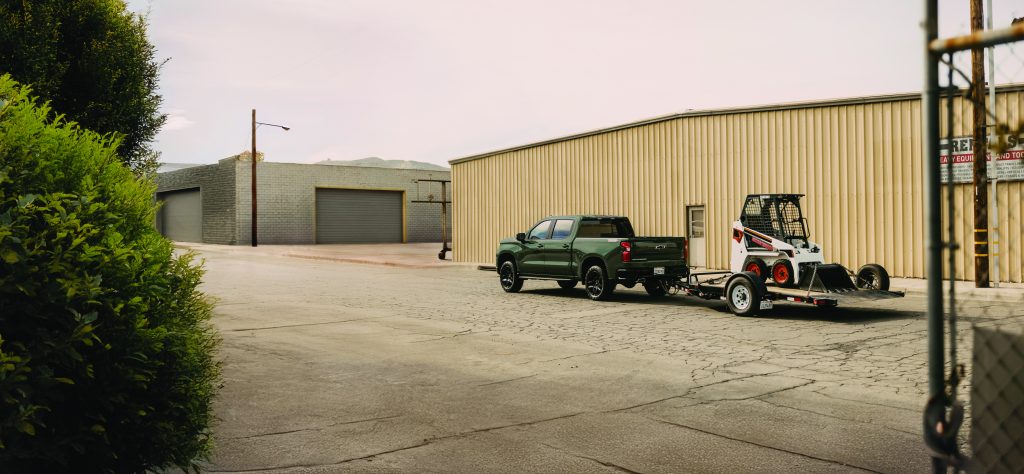
Silverado 1500 Bed Options
- Short Bed: 69.9 inches (about 5’8”)
- Standard Bed: 79.4 inches (about 6’6”)
- Long Bed: 98.2 inches (about 8’2”)
Silverado 2500HD & 3500HD Bed Options
- Standard Bed: 82.3 inches (about 6’10”)
- Long Bed: 98.3 inches (about 8’2”)
Silverado Truck Bed Width
One thing that doesn’t change is the Silverado bed width. Across the lineup, the cargo box is about 71.4 inches wide at the floor and 50.6 inches between the wheel wells. This is consistent whether you choose a short bed or long bed, Silverado 1500 or 3500HD.
This consistent width means you’ll always know whether large items like 4×8 plywood sheets, drywall, mattresses, or ATVs will fit inside.
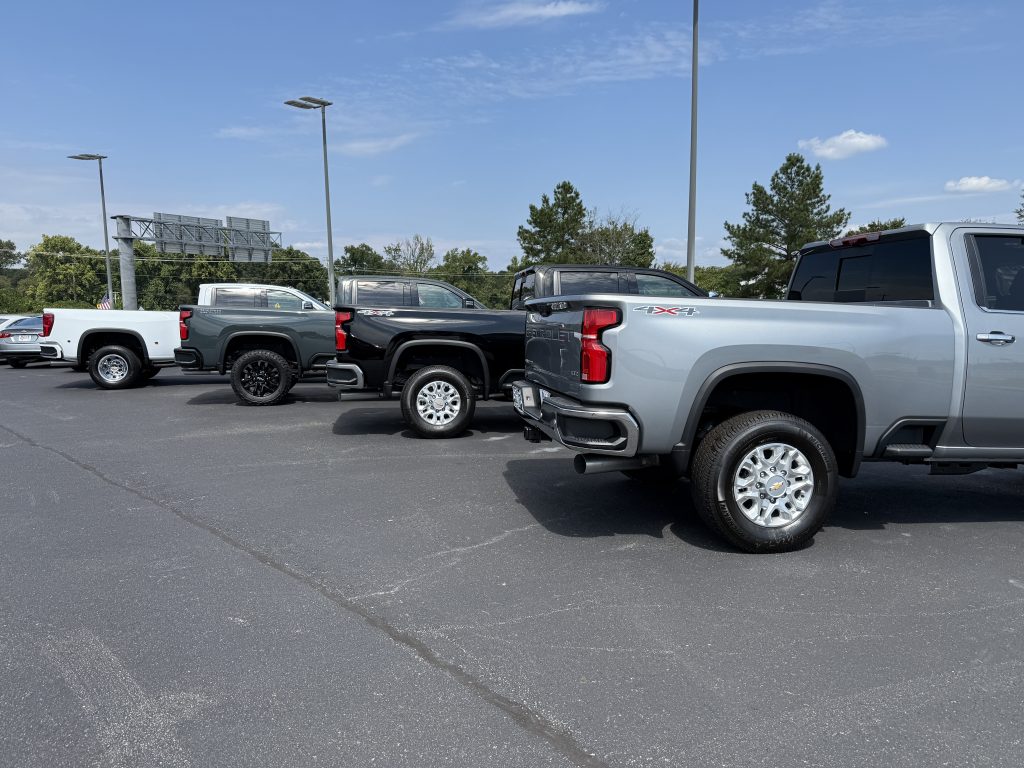
Silverado Bed Size Chart
Here’s your one-stop reference for Chevy Silverado bed sizes, lengths, widths, and volumes:
| Model & Cab Options | Bed Length (inches) | Bed Length (feet) | Bed Width (floor) | Bed Width (between wheel wells) | Cargo Box Volume (cu. ft.) |
| Silverado 1500 Short Bed (Crew Cab) | 69.9 | 5’8” | 71.4 | 50.6 | 62.9 |
| Silverado 1500 Standard Bed (Crew/Double Cab) | 79.4 | 6’6” | 71.4 | 50.6 | 71.7 |
| Silverado 1500 Long Bed (Regular Cab) | 98.2 | 8’2” | 71.4 | 50.6 | 89.1 |
| Silverado 2500HD Standard Bed (Crew/Double Cab) | 82.3 | 6’10” | 71.4 | 50.6 | 69.5 |
| Silverado 2500HD Long Bed (Crew/Regular Cab) | 98.3 | 8’2” | 71.4 | 50.6 | 83.5 |
| Silverado 3500HD Standard Bed (Crew Cab) | 82.3 | 6’10” | 71.4 | 50.6 | 69.5 |
| Silverado 3500HD Long Bed (Crew/Regular Cab) | 98.3 | 8’2” | 71.4 | 50.6 | 83.5 |
How Long Is a Standard Truck Bed?
This is one of the most common questions truck shoppers ask.
- For the Silverado 1500, the standard truck bed length is 79.4 inches (6’6”).
- For the Silverado 2500HD and 3500HD, the standard bed is 82.3 inches (6’10”).
This size strikes the perfect balance between maneuverability in places like downtown Spartanburg and utility for loading full-size building materials.
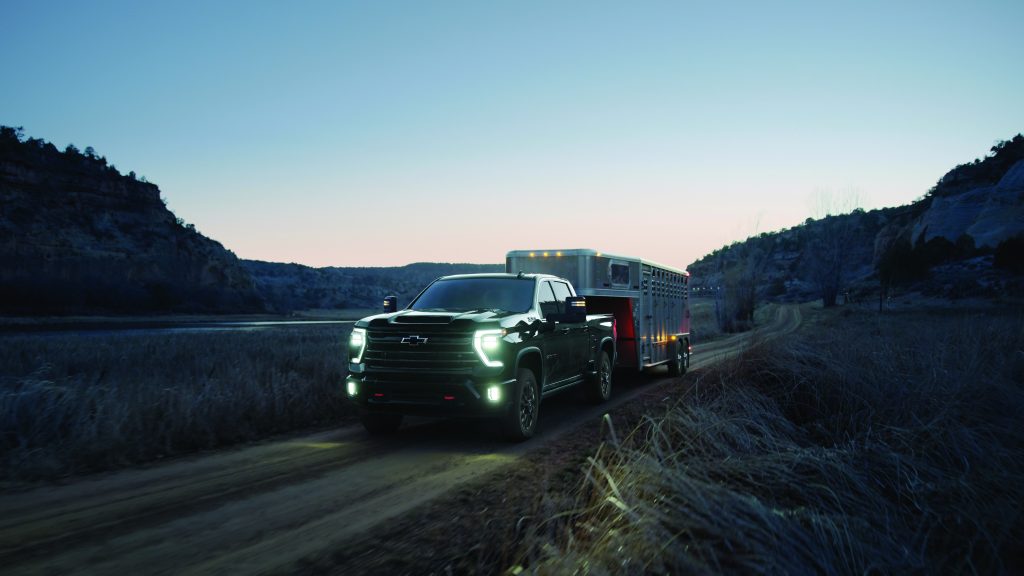
Silverado 1500 Bed Sizes in Depth
The Silverado 1500 is by far the most popular version of Chevy’s full-size truck. Let’s look at each bed option in detail.
Short Bed (5’8”)
- Ideal for urban driving in Greenville or Charlotte.
- Easier to park in tight spaces.
- Works best when paired with a Crew Cab, giving maximum passenger space.
- Can still fit a dirt bike, camping gear, or tailgating supplies.
Standard Bed (6’6”)
- The most versatile Silverado 1500 option.
- Fits a full 4×8 sheet of plywood or drywall flat.
- Popular among contractors, landscapers, and farmers in Union and Gaffney.
- Still manageable for everyday driving.
Long Bed (8’2”)
- Designed for maximum cargo capacity.
- Best for those who haul lumber, fencing materials, or heavy equipment.
- Commonly paired with a Regular Cab for a pure work-truck setup.
- Great for agricultural use in rural areas around Chesnee, Boiling Springs, and Blacksburg.
Silverado 2500HD and 3500HD Bed Sizes in Depth
For heavy-duty jobs, the Silverado 2500HD and 3500HD step up.
Standard Bed (6’10”)
- Larger than the Silverado 1500’s standard bed.
- Better suited for job sites, towing, and large loads.
- Works well with Crew Cab setups to balance passenger and cargo needs.
Long Bed (8’2”)
- Maximum space, maximum capability.
- Ideal for contractors in Spartanburg or farmers in Union County who haul hay, trailers, or machinery.
- Pairs well with dual rear wheels on the 3500HD for unbeatable towing stability.
Bed Size and Towing/Payload
Your choice of bed size has a direct impact on towing and payload.
- Short Beds: Slightly lighter truck weight, easier to maneuver, but lower payload.
- Standard Beds: Best all-around balance. Works for families and contractors alike.
- Long Beds: Heaviest payload capacity, better weight distribution when towing heavy loads like campers or horse trailers.
For specific numbers, check out our detailed guide on Silverado towing capacity.
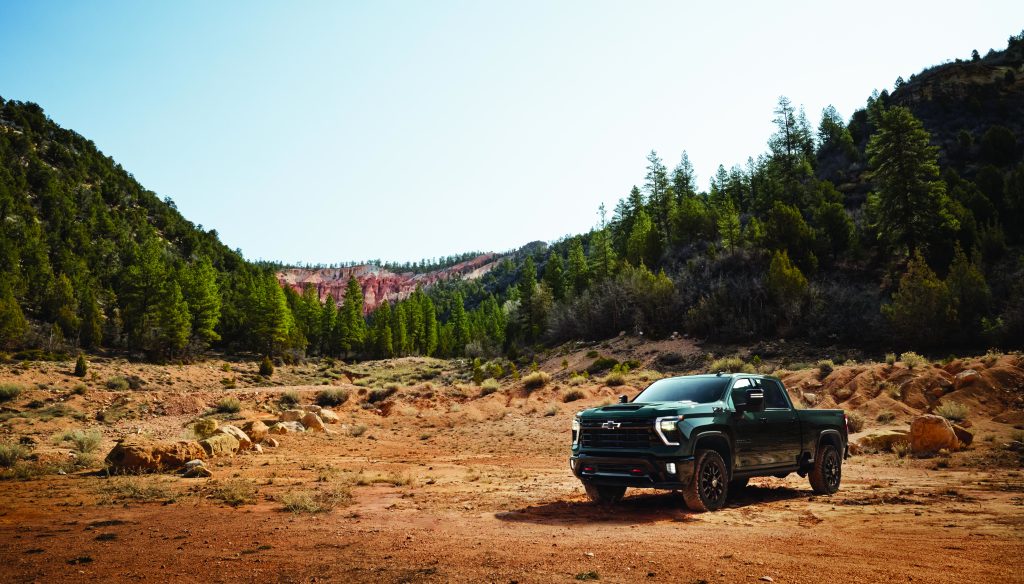
Bed Size and Trim Levels
Not all Silverado trim levels offer every bed size. For example:
- Work Truck (WT) – Often available with long beds.
- LT / RST – Frequently paired with standard beds for versatility.
- LTZ / High Country – Commonly paired with short or standard beds to prioritize comfort and style.
For the HD lineup, trims like LTZ and High Country are more likely to include long beds for heavy towing.
Lifestyle Applications
Different bed sizes shine in different scenarios:
- Tailgating in Clemson or Charlotte: Short bed is perfect for coolers and gear.
- Construction in Spartanburg: Standard bed fits tools, lumber, and materials.
- Farming in Union: Long bed handles hay bales and feed.
- Family trips in Shelby: Crew cab + standard bed = balance of passengers and cargo.
Competitor Comparisons
Silverado’s bed sizes stack up well against Ford and Ram.
- Ford F-150: Similar bed lengths but slightly narrower between wheel wells.
- Ram 1500: Offers a 5’7” bed but with less cargo volume.
- GMC Sierra: Nearly identical (it’s the Silverado’s cousin).
Frequently Asked Questions
Do all Silverados have the same bed width?
Yes, the Silverado bed width is about 71.4 inches floor width across all models.
Can I fit a 4×8 sheet of plywood in the bed of a Silverado?
Yes, especially in standard and long beds. It will sit flat between the wheel wells.
How much does bed size affect price for a Silverado?
Generally, longer beds cost slightly more, but resale value on used Silverados is often higher for standard and long beds.
Which Silverado bed is best for resale?
Standard beds tend to be the most popular for used buyers, though long beds are prized by work-truck shoppers.
Do truck bed sizes affect fuel economy?
Yes, shorter beds usually mean slightly better MPG due to lighter weight.
Shopping for Silverados Near Gaffney
At Burns Chevrolet of Gaffney, we proudly serve truck shoppers from:
- Gaffney
- Spartanburg
- Shelby
- Union
- Forest City
- Kings Mountain
- Boiling Springs
- Cowpens
- and more!
Whether you’re in the market for a new or used Silverado, our team can help you find the perfect cab and bed size for your lifestyle. We have a wide range of new Silverados for sale and used trucks in Gaffney.
Conclusion
The Chevy Silverado offers a wide range of bed sizes to suit every type of driver. From the 5’8” short bed ideal for city living to the 8’2” long bed designed for maximum hauling, there’s a Silverado for every need.
Choosing the right Silverado bed length and width is more than just numbers—it’s about finding the perfect balance of daily convenience, work capability, and long-term value.
No matter where you’re driving—whether it’s hauling supplies in Spartanburg, towing in Union, or tailgating in Charlotte—the Silverado delivers strength, versatility, and confidence.
How Do I Know I’m Getting a Good Used Car?
Buying a vehicle is one of the biggest decisions most people make. Whether you’re looking at a brand-new Chevrolet or a dependable used car, you want to feel confident that your purchase is the right one for your lifestyle, budget, and driving habits.
At Burns Chevrolet of Gaffney, we know that many drivers in Gaffney, Spartanburg, Shelby, Forest City, Chesnee, Blacksburg, and Kings Mountain are considering used cars because they want value, affordability, and peace of mind.
In our last used car post, we covered the basics of how to know you’re getting a fair price on a used car.
This guide is designed to help you answer a key question: How do I know I’m getting a good used car? We’ll walk you through what to look for when buying a car, how to judge what is good mileage for a used car, and which good used car brands have earned their reputation. By the end, you’ll feel equipped to shop smarter, ask better questions, and drive away with confidence.
Understanding the Used Car Market
Why Many Drivers Choose Used
For many shoppers, a used car offers a balance of quality and affordability. You may find that a pre-owned Chevrolet Equinox, Silverado, or Malibu gives you everything you need — at a lower monthly payment than a new model. Used cars can also expand your choices, giving you access to trims, features, or models that may no longer be available brand-new.
Today’s Reliability
Thanks to advances in engineering, vehicles are lasting longer than ever before. Many used models, when properly maintained, can easily run for 150,000 to 200,000 miles or more. That means buying used today doesn’t mean compromising reliability — especially when you shop at a dealership that inspects and stands behind its inventory.
Why Some Still Prefer New
Of course, there are strong reasons to consider a new vehicle as well. Buying new means you’re the very first owner, you’ll enjoy the latest technology and safety innovations, and you’ll have the peace of mind of a factory warranty.
What to Look For When Buying a Car
When people ask us “What should I look for when buying a car?”, here’s what we recommend:
1. Ask to See the Inspection
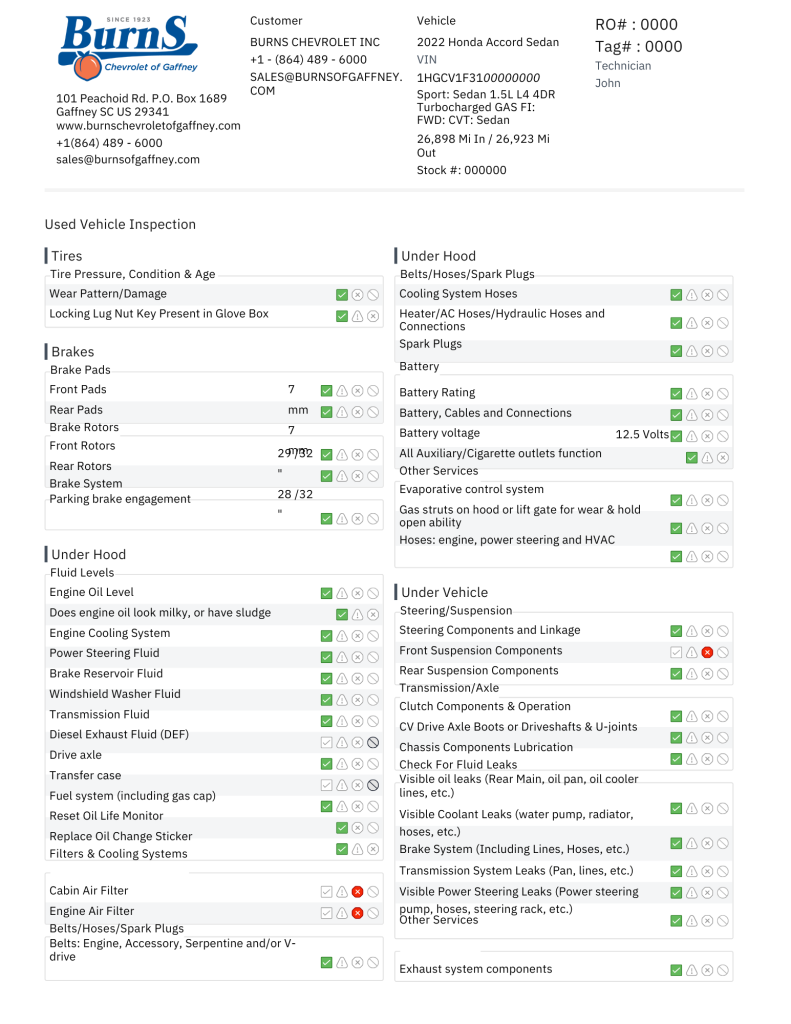
At our dealership in Gaffney, every used car goes through a careful 99-point inspection before it’s placed on our lot. This multi-point check covers brakes, tires, lights, suspension, safety features, and engine health. Always ask to see the inspection — it proves that the dealership stands behind the vehicle.
Here is an example of what one page of our multi-point inspection looks like:
2. Look Under the Hood
Don’t be shy — you’re allowed to check things out yourself. Look for:
- Leaks: Oil, coolant, or transmission fluid leaks should be investigated.
- Belts and hoses: Cracks, fraying, or dryness can mean upcoming repairs.
- Battery: Corrosion around the terminals can indicate it’s nearing replacement.
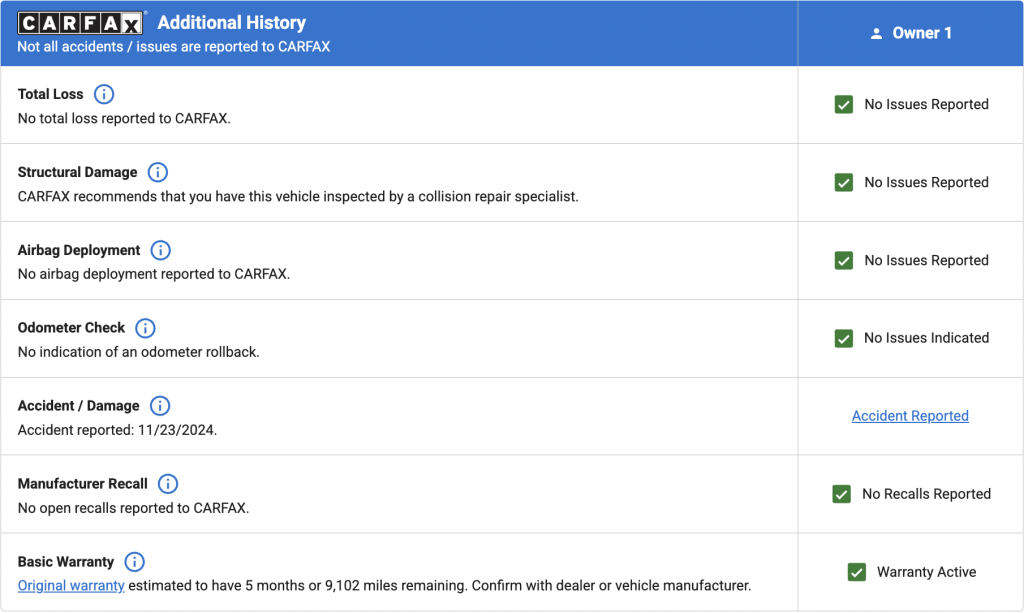
3. Review the Carfax or AutoCheck
A vehicle history report is essential. It will tell you if the car has ever had:
- Title issues (e.g. salvage, rebuilt, flood).
- Odometer discrepancies or “true miles unknown.”
- Major accidents – minor accidents aren’t always dealbreakers, but major ones require closer inspection.
4. Understand Mileage
A simple rule of thumb is that most vehicles average about 15,000–20,000 miles per year. That means a five-year-old vehicle with around 75,000 miles is right in line with expectations. If you see a car with mileage that’s significantly above or below that range, it isn’t necessarily a bad thing — but it is worth asking questions.
If a vehicle has fewer miles than average, that usually means it wasn’t driven much. This can be a good sign, as long as the car has a clean history and no accidents. On the other hand, if there are multiple accident reports, low mileage could raise questions about why the car spent so much time off the road.
For cars with higher mileage than average, the key is to look for context. For example, if the first owner was a rental company like Enterprise, the car may have been driven heavily during the early years before leveling out with a second owner. High mileage alone isn’t a dealbreaker — what matters most is whether the vehicle received regular maintenance. A well-serviced vehicle with higher miles can often be a smarter buy than a low-mileage car that was neglected.
Here is an easy list of year vs. mileage to look for:
Good mileage for used car 1 year old – 15,000-20,000 miles
Good mileage for used car 2 years old – 30,000-40,000 miles
Good mileage for used car 3 years old – 45,000-60,000 miles
Good mileage for used car 4 years old – 60,000-80,000 miles
Good mileage for used car 5 years old – 75,000-100,000 miles
Good mileage for used car 6 years old – 90,000-120,000 miles
Good mileage for used car 7 years old – 105,000-140,000 miles
Good mileage for used car 8 years old – 120,000-160,000 miles
Good mileage for used car 9 years old – 135,000-180,000 miles
Good mileage for used car 10 years old – 150,000-200,000 miles
What Is Good Mileage for a Used Car?
Mileage is one of the biggest questions buyers have — and for good reason.

Mileage Ranges
- Used Cars Under 50,000 miles: Great for those who want a nearly-new vehicle.
- Used Cars 50,000–100,000 miles: Often the best value range, balancing price and reliability.
- Used Cars Over 100,000 miles: Still worth considering if it has strong service records.
Different Vehicle Types
Used trucks and SUVs are generally built to handle higher mileage than smaller cars. Manufacturers design them not only for everyday drivers but also for fleets and work purposes, which means they’re engineered with durability in mind. Trucks in particular are made to last through heavy use, often well past the mileage you’d expect from a sedan.
Maintenance Over Mileage
Regular maintenance is key for every vehicle type. While trucks and SUVs are usually the best candidates for racking up miles, staying on top of service records is what truly keeps any vehicle dependable. Always prioritize service history over raw numbers. A 90,000-mile Chevrolet with consistent oil changes may be a smarter buy than a 40,000-mile car with no records.
5. Red Flags to Watch Out For
- A seller who won’t provide an inspection report – Trust is at the heart of buying a used car, and transparency is key to creating that trust.
- Inconsistent paint or panel gaps – While slight variations can sometimes come from the factory, they’re often signs of prior body work. Minor repairs usually aren’t a problem, but bigger inconsistencies may point to a more serious accident. If the car was in a major collision, it’s worth asking whether it was put back together properly and whether the damage could affect long-term performance and reliability.
- High-pressure sales tactics – If a seller has confidence in the vehicle they’re selling, they won’t need to browbeat you into buying it.
The Test Drive – Your Best Tool
Never buy a used car without taking it for a test drive first. The test drive is your chance to make sure the car feels right for you.
What to Pay Attention To
- Starting up: Does it start smoothly?
- Ride quality: Does it feel steady and comfortable?
- Transmission: Are shifts smooth?
- Steering & brakes: Does it respond well?
- Noises: Listen for rattling, knocking, or grinding.
If you hear or feel something that doesn’t seem right, speak up immediately. At Burns Chevrolet, we’d rather have our service team re-check a vehicle than let you leave with doubts about your used vehicle purchase.
Good Used Car Brands
When thinking about good used car brands, these stand out:
Chevrolet
Whether you’re looking for a used Silverado, Malibu, or Suburban, these Chevrolets are all known for their strength and dependability.
Toyota & Honda
Long recognized for reliability, models like the Toyota Camry and Honda Accord often run well past 200,000 miles.
Ford
Trucks like the F-150 are extremely popular in the Gaffney and Spartanburg areas thanks to their durability.
Lexus & Acura
Luxury brands like Lexus and Acura combine comfort with long-term dependability, though repair costs may be higher than domestic brands.
Beyond the Basics – Smart Buyer Tips
Financing Options
Before purchasing a vehicle, you can compare financing with local banks and credit unions in Gaffney, Shelby, and Spartanburg to see what rate you would be qualified for. Our finance team can also help you secure competitive rates through trusted lenders. For customers with no credit or bad credit, we also offer an in-house financing Buy Here Pay Here program.
Warranties & Insurance
Ask about remaining manufacturer warranties or dealer-provided coverage. Check with your insurance provider to confirm premiums before finalizing.
Local Expertise Matters
Burns Chevrolet of Gaffney is a locally owned new and used car dealership. Our family has been in the car business for over 100 years, something that has only been possible through the trust we’ve built with our customers. We’ve built our reputation in Gaffney, Chesnee, Blacksburg, and Kings Mountain by standing behind every car we sell and by showing genuine care in helping our customers find the best car for their families and budgets.
What Sets Burns Chevrolet Apart
- Every vehicle gets a 99-point inspection by our certified service department.
- We provide free Carfax vehicle history reports up front.
- Our sales team is non-commission based. They are paid the same regardless of a car’s price, so they are genuinely motivated to help you find the right vehicle for your unique needs and preferences.
Checklist Before You Buy a Used Car
Here’s a quick, repeatable checklist to guide your decision:
- Ask for the inspection report.
- Look under the hood.
- Review the Carfax/AutoCheck.
- Compare mileage to vehicle age.
- Take a thorough test drive.
- Ask about anything unusual.
- Review financing, warranty, and insurance options.
Conclusion
So, how do you know if you’re getting a good used car? The answer comes down to preparation, inspection, and working with a dealership you can trust.
At Burns Chevrolet of Gaffney, we’ve helped countless drivers from Gaffney to Spartanburg, Shelby to Forest City, Chesnee to Blacksburg, and Kings Mountain find used cars they can rely on. We believe in transparency, thorough inspections, and customer-first service.Whether you’re in the market for a brand-new Chevrolet with all the latest features or a quality used vehicle that fits your budget perfectly, our team is here to help you every step of the way. Visit us today, take a test drive, and see why so many of your neighbors trust Burns Chevrolet for their next vehicle.
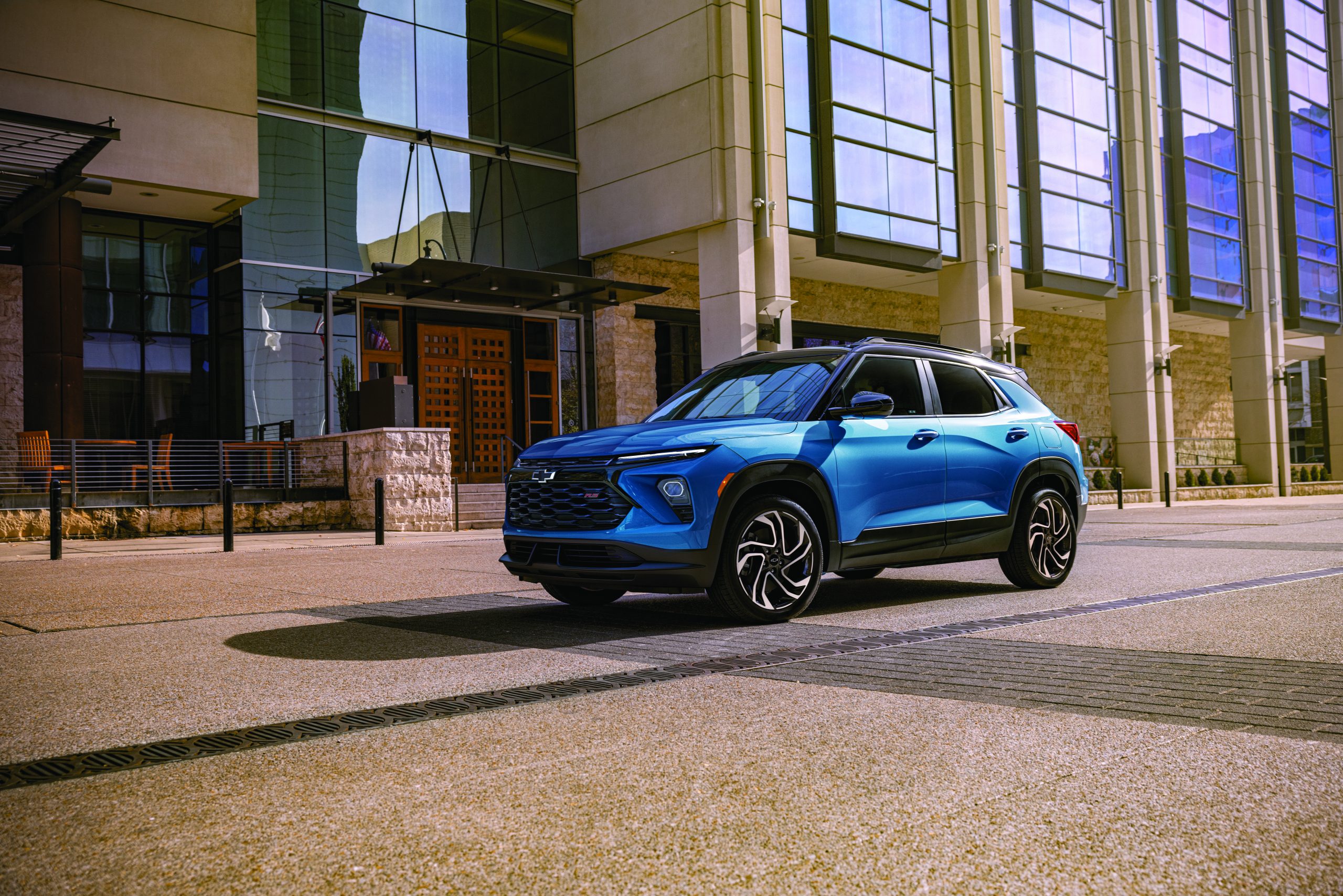
The compact SUV market is hotter than ever, and the 2025 Chevrolet Trailblazer is proving itself as one of the most versatile, stylish, and practical vehicles in its class. At Burns Chevrolet of Gaffney, we’ve seen drivers from Gaffney, Spartanburg, Shelby, Forest City, Greenville, and even Charlotte fall in love with this SUV for its combination of affordability, efficiency, and modern design.
Whether you’re searching for the perfect commuter, a family-friendly ride, or a fuel-efficient small SUV that can handle weekend getaways, the Trailblazer checks all the boxes. In this ultimate guide, we’ll cover everything from Chevrolet Trailblazer reviews to trim packages, fuel economy, and how it compares to competitors like the Honda HR-V, Toyota Corolla Cross, Hyundai Kona, Kia Seltos, and Subaru Crosstrek.
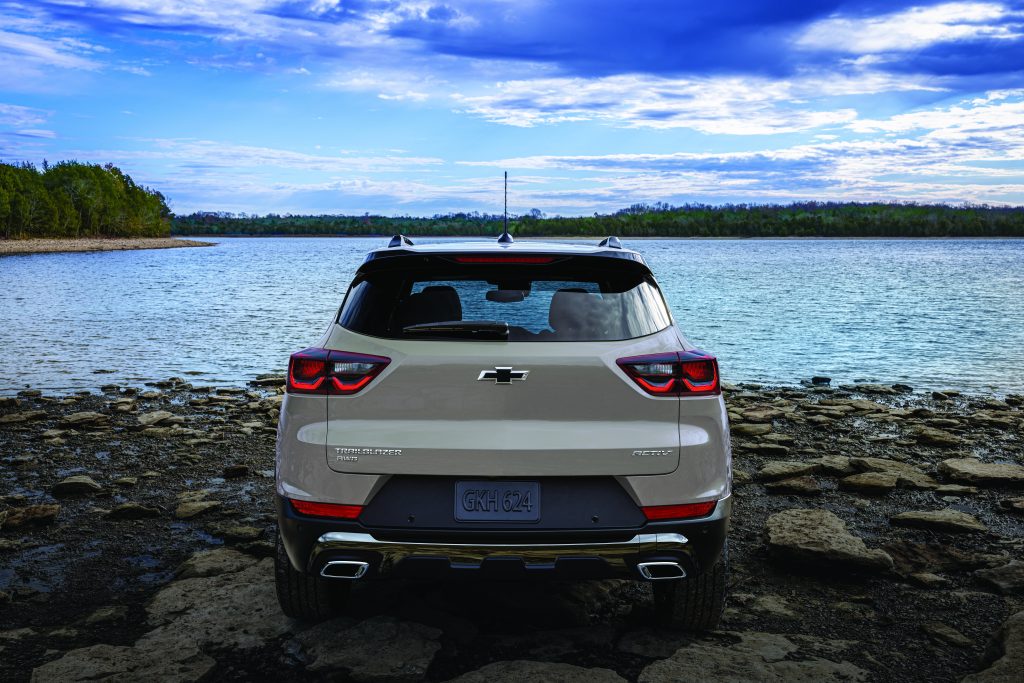
Chevrolet Trailblazer Reviews: What Drivers Are Saying
When customers and critics talk about the Trailblazer, a few themes keep coming up: style, space, and technology. Reviewers praise its bold design that stands out in a crowded SUV market — a segment that also includes models like the Honda HR-V, Toyota Corolla Cross, and Hyundai Kona. Unlike many of those rivals, the Trailblazer gets consistent praise for delivering both style and substance, especially in trims like the Trailblazer RS and ACTIV.
Professional Reviews
- U.S. News & World Report notes that the Trailblazer delivers excellent cargo space and a roomy back seat for its size class.
- Car and Driver highlights its affordability, sharp looks, and efficient turbocharged engines.
- Edmunds praises the Trailblazer for blending comfort and technology in a compact SUV that feels more upscale than the price suggests.
Trailblazer Trim Packages: Finding the Right Fit
Chevrolet designed the Trailblazer to appeal to a wide range of drivers, and its four trim packages make it easy to find the perfect balance of features and budget. That’s a big advantage over competitors like the Mazda CX-30 or Nissan Kicks, which offer fewer personality-driven trim choices.
Trailblazer LS
- The entry-level model with excellent value.
- Includes Chevy Safety Assist, smartphone integration, and ample cargo space.
- Ideal for first-time buyers or budget-conscious drivers in Gaffney or Forest City.
Trailblazer LT
- Adds comfort and convenience features like a power driver’s seat, upgraded interior touches, and LED fog lamps.
- A smart choice for families or commuters who want extra comfort without breaking the bank.
Trailblazer ACTIV
- Designed for adventure seekers.
- Rugged styling, off-road suspension tuning, and all-season tires.
- Perfect for trips to the Blue Ridge Mountains or camping near Lake Hartwell.
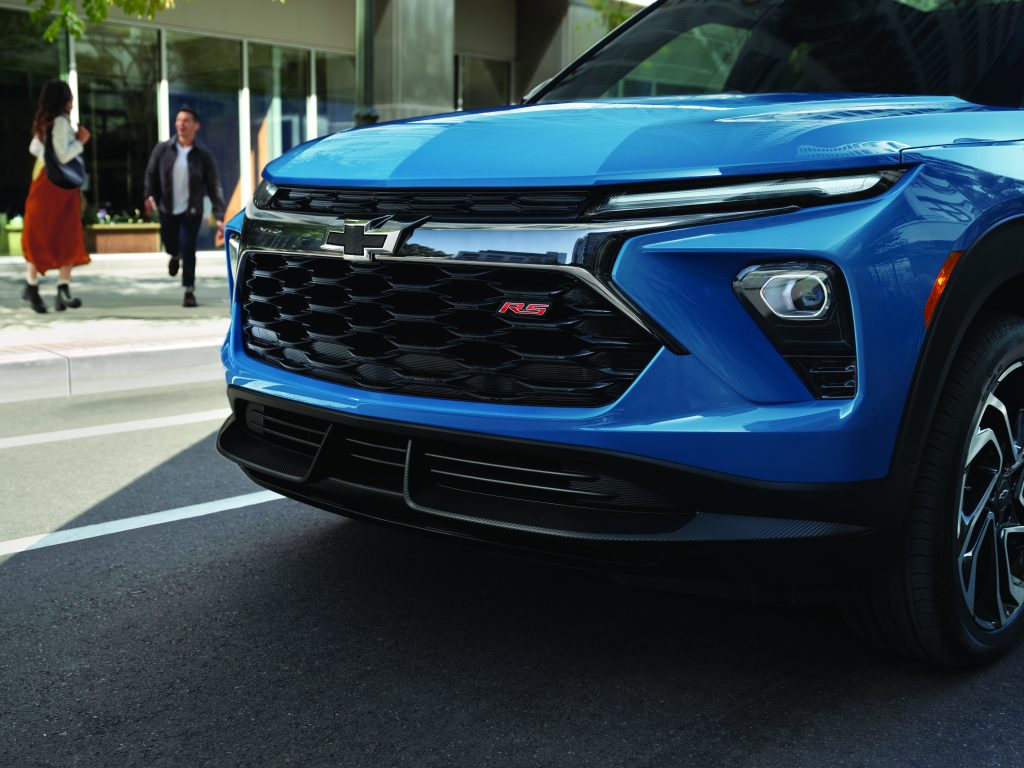
Trailblazer RS
- The sportiest trim with bold styling.
- Black exterior accents, unique badging, and available two-tone roof.
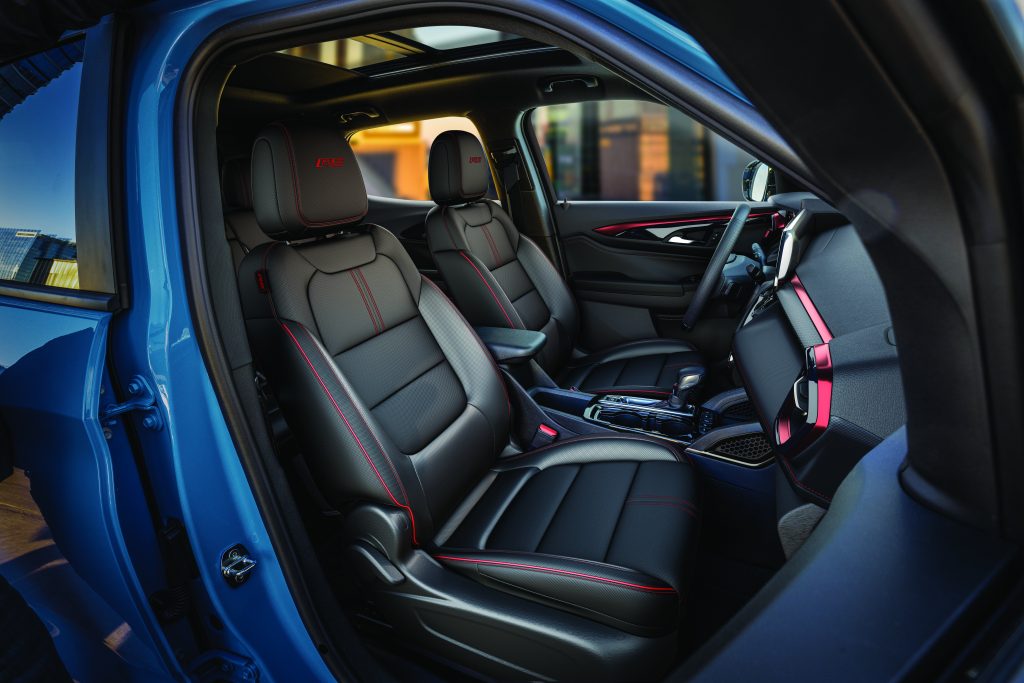
- Inside, the Trailblazer RS features red interior accents for a sport-inspired feel.
- Popular with younger buyers in Spartanburg and Greenville who want an SUV that turns heads.
Spotlight on the Trailblazer RS
The Trailblazer RS deserves special attention because it’s one of the most eye-catching trims in the lineup. Designed for drivers who want sporty aesthetics with practical SUV utility, the RS delivers on both fronts.
- Exterior Design: Gloss-black accents, RS badging, and available 19-inch wheels make it stand out on the streets of Shelby or Greenville.
- Interior Comfort: Heated front seats, red stitching, and available leather-wrapped steering wheel.
- Performance Options: Paired with the 1.3L turbo engine and available all-wheel drive, it provides a confident, athletic driving experience.
For drivers who want something more than a standard small SUV, the Trailblazer RS is the perfect balance of fun and function.
2025 Trailblazer Dimensions: Room to Stretch
One of the biggest surprises for new owners is just how roomy the Trailblazer feels inside. While its footprint is compact enough to maneuver around downtown Greenville or Charlotte, the 2025 Trailblazer dimensions reveal just how spacious it really is.
- Length: About 174 inches, making it easy to navigate tight city streets.
- Width: 71 inches for stability and interior space.
- Height: 65 inches, providing a commanding view of the road.
- Passenger Volume: Nearly 100 cubic feet, offering ample legroom for rear-seat passengers.
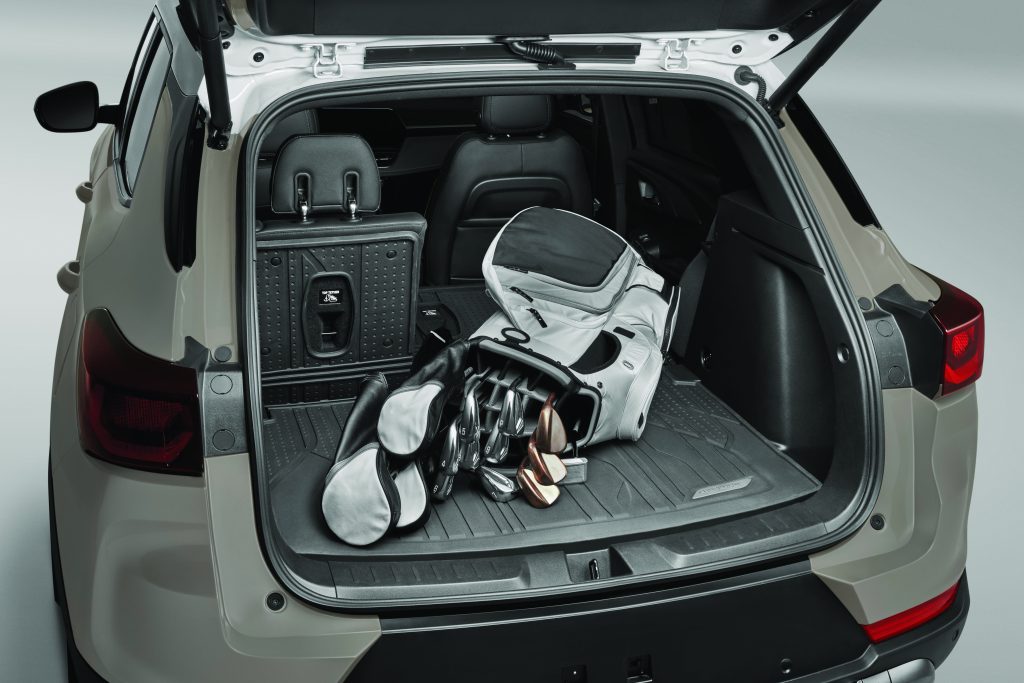
- Cargo Space: Up to 54.4 cubic feet with the rear seats folded down, making it perfect for weekend getaways.
Compared to other SUVs in its class — including the Kia Seltos, Ford EcoSport, and Subaru Crosstrek — the Trailblazer gives you the versatility of a larger vehicle without the bulk. For drivers around Spartanburg or Rock Hill who want SUV practicality but need to park in tight spaces, this balance makes the Trailblazer especially appealing.
Trax vs. Trailblazer: Which One is Right for You?
Chevrolet gives shoppers two excellent compact SUV options in the Trax and the Trailblazer. Both are stylish, fuel-efficient, and budget-friendly, but they’re designed for slightly different types of buyers.
Price & Value
- Chevy Trax: Chevrolet’s most affordable SUV, perfect for students or first-time buyers around Gaffney or Spartanburg. The Trax starts at $20,500.
- Chevy Trailblazer: Slightly higher price, but offers more versatility, trim options, and interior space. The Trailblazer starts at $23,200.
Size & Space
- Trax: Compact and nimble, easy to maneuver around Shelby or downtown Greenville traffic.
- Trailblazer: Larger interior dimensions and more cargo capacity make it better suited for families, road trips, or drivers who often haul gear.
Fuel Efficiency
- Both deliver excellent mileage, but the Chevy Trailblazer miles per gallon offers more flexibility thanks to multiple engine choices and available AWD.
Trailblazer vs. the Competition
Beyond the Trax vs. Trailblazer decision, many buyers also compare the Trailblazer to non-Chevrolet small SUVs. Here’s how it stacks up:
- Chevrolet Trailblazer vs. Honda HR-V: Reliable and practical, but the Trailblazer offers more style and trim variety. Honda HR-V starts at $26,200.
- Chevrolet Trailblazer vs. Toyota Corolla Cross: Efficient and safe, but the Trailblazer is roomier and more versatile. Toyota Corolla Cross starts at $24,635.
- Chevrolet Trailblazer vs. Hyundai Kona: Tech-savvy and stylish, but the Trailblazer provides better cargo room and family-friendly space. Hyundai Kona starts at $25,350.
- Chevrolet Trailblazer vs. Kia Seltos: A strong competitor, but Chevy’s dealer network and trim diversity give the Trailblazer an edge.
- Chevrolet Trailblazer vs. Ford EcoSport: Affordable, but discontinued in the U.S., while the Trailblazer thrives with modern updates. Ford’s other small SUV, the Escape, starts at $29,515.
- Chevrolet Trailblazer vs. Nissan Kicks: Efficient, but lacks AWD and power options available in the Trailblazer. Nissan Kicks starts at $21,830, right in between the Chevrolet Trax and Trailblazer.
- Chevrolet Trailblazer vs. Mazda CX-30: Sporty and upscale, but more expensive; Trailblazer balances style and budget. Mazda CX-30 starts at $25,195.
- Chevrolet Trailblazer vs. Subaru Crosstrek: Rugged and capable, but the Trailblazer ACTIV offers similar versatility in a city-friendly package. Subaru Crosstrek starts at $26,560.
Chevy Trailblazer Miles Per Gallon
Fuel efficiency is a top priority for SUV shoppers, and the Trailblazer delivers excellent numbers for its class.
- 1.2L Turbo FWD: Around 29 mpg city / 31 mpg highway.
- 1.3L Turbo FWD: Up to 29 mpg city / 33 mpg highway.
- 1.3L Turbo AWD: Around 26 mpg city / 30 mpg highway.
For drivers commuting daily between Gaffney and Spartanburg, or even Greenville, the Chevy Trailblazer’s miles per gallon ensures you’ll spend less time at the pump. It also compares favorably with rivals like the Toyota Corolla Cross and Hyundai Kona, which makes it one of the smarter choices for efficiency-minded buyers.
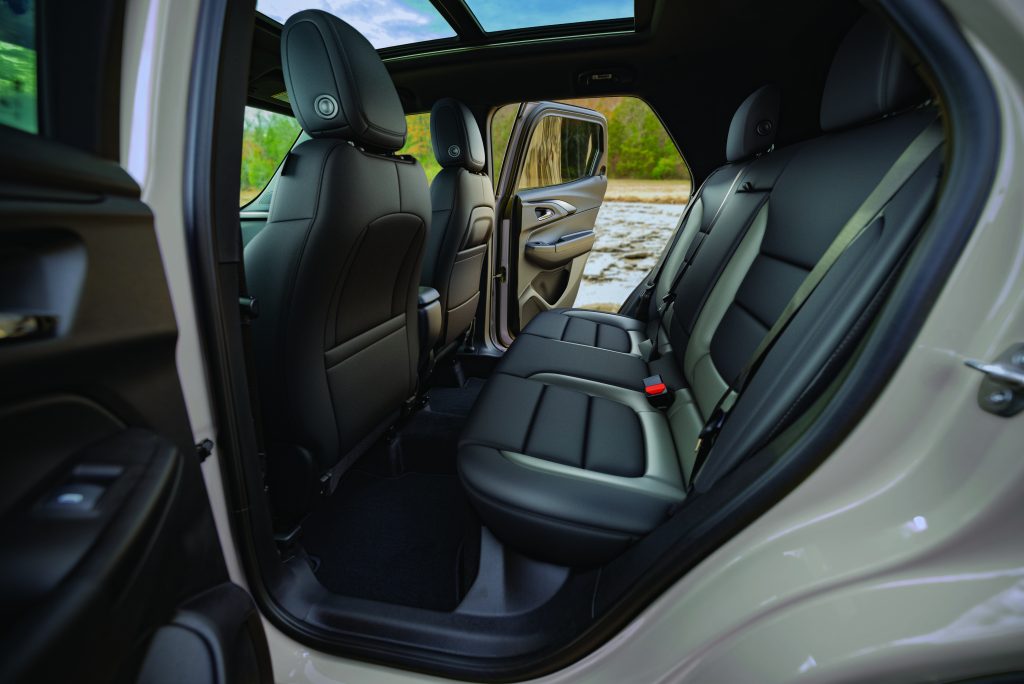
Technology & Safety Features
Chevrolet equips the Trailblazer with the latest technology to keep you connected and safe.
- Infotainment: Apple CarPlay, Android Auto, and available wireless charging.
- Safety: Standard Chevy Safety Assist includes Automatic Emergency Braking, Lane Keep Assist, and Forward Collision Alert.
- Convenience: Hands-free liftgate, adaptive cruise control, and OnStar connected services.
Whether you’re driving to Spartanburg for work or taking a family trip to Hendersonville, you’ll enjoy peace of mind and modern connectivity.
Driving Experience in the Carolinas
The Trailblazer is perfectly suited for the roads of Upstate South Carolina and Western North Carolina.
- City Driving: Compact size makes navigating Greenville and Asheville a breeze.
- Highway Comfort: Smooth, quiet ride for commutes to Greer or Charlotte.
- Weekend Adventures: The ACTIV trim makes road trips on the Blue Ridge Parkway or camping near Lake Lure effortless. While SUVs like the Subaru Crosstrek or Kia Seltos also appeal to outdoorsy buyers, the Trailblazer ACTIV trim gives you rugged capability with a more compact footprint and better price.
Why Buy from Burns Chevrolet of Gaffney?
Choosing the right dealership matters as much as choosing the right SUV. At Burns Chevrolet of Gaffney, we’re proud to serve drivers from Gaffney, Spartanburg, Shelby, Forest City, Greenville, and beyond.
- Family-Owned Business: Serving the Upstate of South Carolina with honesty and integrity for over 100 years.
- Huge Selection: From new Chevrolet vehicles to used vehicles from brands like Toyota and Ford.
- Trusted Service Department: Factory-trained technicians who provide certified service on your new Chevy or used vehicle.
- Local Commitment: We care about our community and have built a reputation for giving back.
Conclusion: Test Drive the 2025 Chevrolet Trailblazer Today
The 2025 Chevrolet Trailblazer brings together modern styling, excellent fuel efficiency, advanced technology, and versatile space — all at a price that makes sense. Whether you’re considering the sporty Trailblazer RS, exploring trim packages, comparing Trax vs. Trailblazer, or shopping for a used Chevrolet Trailblazer, this SUV is a standout choice.
If you live in Gaffney, Spartanburg, Shelby, Forest City, Greenville, or even Charlotte, Burns Chevrolet of Gaffney is your local destination for all things Chevy.
Explore our selection of new Chevrolet vehicles and used vehicles in Gaffney, then stop by to test drive the 2025 Chevrolet Trailblazer today.
Buying a used car is a significant financial decision that can be stressful for many people. There are so many factors to take into consideration, and we’ll address a few of these in upcoming posts to help you be a more informed customer.
First up: How do you really know if you’re getting a fair price on a used car?
We’ll walk you through everything you need to know about getting a good price on a used car — from online tools like Kelley Blue Book to negotiation strategies, from understanding fees to spotting red flags in listings.
Short on Time? Here are Five Quick Tips to Get a Fair Price on a Used Car at a Dealership
- Use online tools to get an idea of what the vehicle is going for currently.
- Take into consideration the condition of the specific car you’re looking at.
- When buying from a dealership, keep an eye out for hidden fees that might increase your payment.
- Use an online calculator to see how much you can afford.
- If you’re looking to negotiate a vehicle price, be upfront, polite, and research-based.
How to Know if a Car Price is Good
When you see a used car listed online or on a lot, your first thought is usually: Is this a good deal?
Here are the key ways to figure it out:
1. Compare Across Platforms
Sites like Carfax, AutoTrader, and Cars.com don’t just list cars — they often tell you if the asking price is below, at, or above market value. These tools pull data from thousands of listings to give you a quick sense of whether the price seems fair.
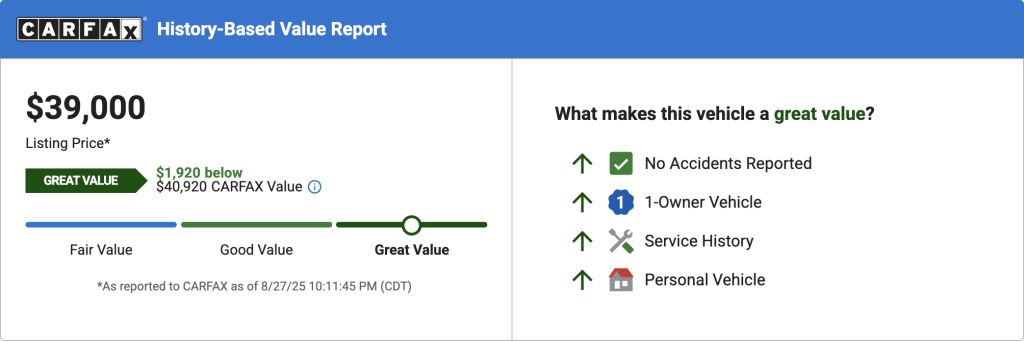
2. Check with Trusted Valuation Guides
There are websites that provide estimated values for vehicles based on make, model, mileage, and general condition. These resources can help you answer the question: “How much should I pay for a used car?”
These are the two leading guides:
- Kelley Blue Book (KBB): Perhaps the most widely recognized source, KBB provides values for trade-in, private sale, and dealer retail.
- J.D. Power: Known for reliability studies, J.D. Power also offers pricing tools based on real-world transactions.
Each of these tools can help you benchmark a price, but none are perfect. They don’t know if a vehicle has brand-new brakes, a spotless interior, or a history of fender-benders. Use them only as a starting point, not the final word.
3. Understand the Limitations
While online tools are incredibly helpful, they don’t always account for the specific condition of the car you’re looking at. A vehicle with new tires, detailed service records, and one local owner may be worth more than the “average” car listed in the guides. Conversely, one that hasn’t been well cared for might not justify the suggested price.
4. Look Beyond the Sticker
A low sticker price doesn’t always mean a good deal. Some dealerships offset a tempting price by tacking on thousands in hidden fees or inflated add-ons. That’s why it’s critical to consider the out-the-door price, not just the number you see online. More on this below.
The Truth About Add-Ons and Dealer Markups
Unfortunately, many car dealers try to get customers in the door by advertising prices that are much lower than the price customers will end up paying for the vehicle.
Typical addendums customers might see are:
- Window tint
- Theft protection systems
- Exterior paint sealants
- Interior fabric protection
These add-ons often come with markups as high as 1,000%. A product that costs the dealer $100 could be added to your contract for hundreds (or even thousands) more. Dealerships that charge addendums typically add between $2,000 and $3,500 in hidden fees on top of the price advertised to customers.
You can spot red flags in listings & dealer disclaimers by looking out for phrases like:
- “Does not include tint, paint protection, etc.”
- “Market adjustment fee may apply”
- “Price excludes dealer add-ons”
If you see these phrases in vehicle listings, it’s likely the advertised price is much lower than what you will be paying for a used vehicle.

At Burns Chevrolet of Gaffney, you don’t have to worry about hidden charges when you’re shopping for a used vehicle. We’ve worked hard to build a reputation for trust and transparency in the Upstate of South Carolina, and we never charge addendums or hidden fees.
Sticker Price vs. Out-the-Door Price
Customers need to be clear on the difference between sticker price and out-the-door price. The sticker price is what you see advertised. The out-the-door price is what you actually pay after fees, add-ons, and taxes.
Here is an example of how this might look at a dealership that charges addendums:
- Sticker price: $19,000
- Add-ons: $2,500
- Taxes & fees: $1,000
- Out-the-door: $22,500
If you had a budget of $20,000 for a used car, that extra $2,500 makes a big difference.
Understanding Fees on Used Cars
Here’s what you need to know about fees:
- Sales tax: Varies by state (South Carolina caps it at $500 for vehicle purchases).
- Tag/Title fee: Covers the cost of registering your car.
- Closing/Doc fee: Charged by most dealerships to handle paperwork.
- Addendums: Optional add-ons that some dealers use to inflate profits.
How Much Should I Pay for a Used Car?
This is the most common question buyers ask, and it isn’t just about the car’s price — it’s about your finances.
The answer depends on:
- Your budget – Experts recommend keeping your car payment at 10–15% of your monthly income.
- The vehicle’s value (based on guides and condition) – refer to the resources mentioned earlier in this post such as Carfax and Kelley Blue Book
We offer a car payment calculator on our website so you can quickly determine how much you can afford to spend on a car based on your income and expenses.
How to Negotiate Price on a Used Car
Negotiation is a typical part of a used vehicle purchase at a dealership, but it doesn’t have to be filled with the tension customers expect.
Here’s how to do it effectively:
- Be honest and upfront with your salesperson about what you’d like to pay.
- Do your research using resources like Cars.com and J.D. Power so your offer is realistic.
- Be kind. Treat the salesperson like you’d treat anyone else — with respect.
- Remember the goal: Both you and the dealer want the same thing — for you to drive away in a car that fits your needs at a fair price.
Why Local Shoppers Trust Burns Chevrolet
Customers come to us from Spartanburg, Greenville, Charlotte, and Shelby because they’re tired of hidden fees and games. They know that at Burns Chevrolet, the advertised price is the real price on all our new and used vehicles.
At Burns Chevrolet of Gaffney, we are committed to being transparent with our customers. You never have to worry about being duped into buying a car here because we never charge addendums or hidden fees.
The price our customers pay always follows the same equation: Advertised price + tax, tag, and closing. “Tax, tag and closing” means applicable taxes, tag price from the Department of Motor Vehicles, and our closing fee ($499).

Negotiation is also straightforward because we don’t hide fees or inflate prices. That means discussions focus on finding terms that work for everyone, not arguing over unnecessary add-ons.
Our family has more than a century of experience in the car business, and we’ve built our reputation in the Carolinas on transparency, fairness, and customer-first service.
Shop Smart, Shop Transparent
You shouldn’t have to be skeptical about the price you’re getting on a used car. With the right tools, knowledge, and dealership, you can drive away confident that you got a fair price.
At Burns Chevrolet of Gaffney, we believe in honest, transparent pricing with no addendums. That’s why customers from the Upstate of South Carolina and Charlotte area continue to trust us with their car purchases.When you’re ready to find your next used vehicle, we’ll be here to help you get the best value — with no surprises.